-
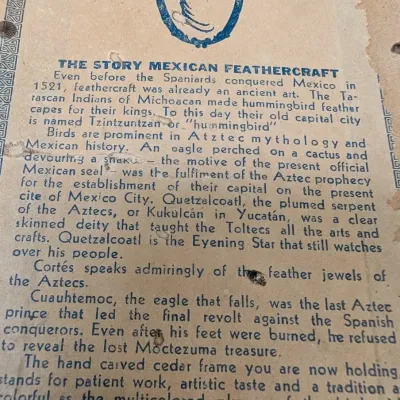
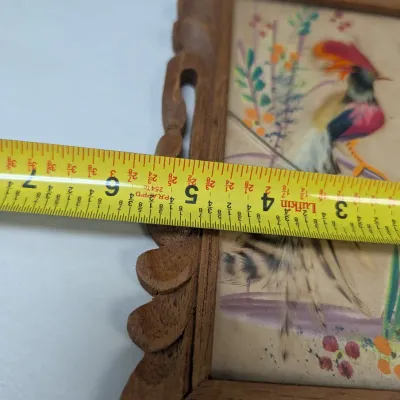
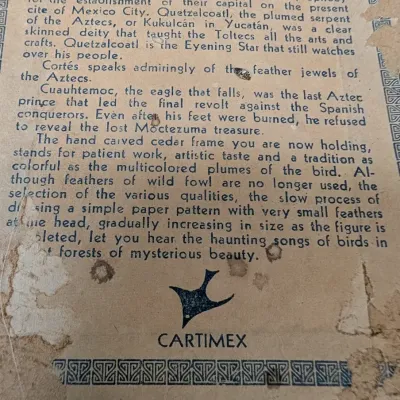
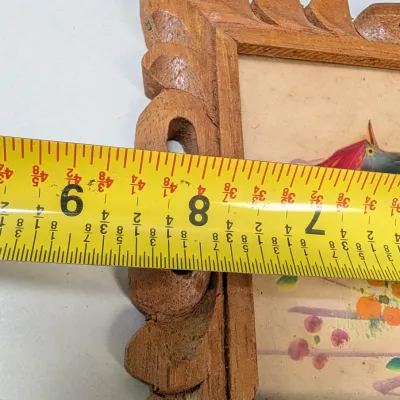
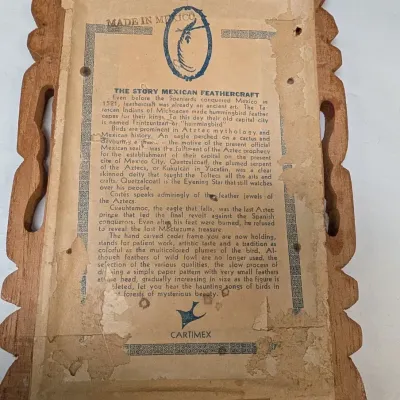
Vintage Mexican feathercraft bird art is a beautiful type of folk art known as plumeria. These pieces were very popular souvenirs made between the 1940s and 1970s. Artists used real, colorful bird feathers to create the bodies of exotic birds. They glued them onto backgrounds that were painted with watercolors. The art is famous for its gorgeous hand-carved cedar frames that smell nice and feature pretty leaf or flower designs 3701 / 5007 -
Vintage Mexican feathercraft bird art is a beautiful type of folk art known as plumeria. These pieces were very popular souvenirs made between the 1940s and 1970s. Artists used real, colorful bird feathers to create the bodies of exotic birds. They glued them onto backgrounds that were painted with watercolors. The art is famous for its gorgeous hand-carved cedar frames that smell nice and feature pretty leaf or flower designs 3702 / 5007 -
Vintage Mexican feathercraft bird art is a beautiful type of folk art known as plumeria. These pieces were very popular souvenirs made between the 1940s and 1970s. Artists used real, colorful bird feathers to create the bodies of exotic birds. They glued them onto backgrounds that were painted with watercolors. The art is famous for its gorgeous hand-carved cedar frames that smell nice and feature pretty leaf or flower designs 3703 / 5007 -
Vintage Mexican feathercraft bird art is a beautiful type of folk art known as plumeria. These pieces were very popular souvenirs made between the 1940s and 1970s. Artists used real, colorful bird feathers to create the bodies of exotic birds. They glued them onto backgrounds that were painted with watercolors. The art is famous for its gorgeous hand-carved cedar frames that smell nice and feature pretty leaf or flower designs 3704 / 5007 -
Vintage Mexican feathercraft bird art is a beautiful type of folk art known as plumeria. These pieces were very popular souvenirs made between the 1940s and 1970s. Artists used real, colorful bird feathers to create the bodies of exotic birds. They glued them onto backgrounds that were painted with watercolors. The art is famous for its gorgeous hand-carved cedar frames that smell nice and feature pretty leaf or flower designs 3705 / 5007 -
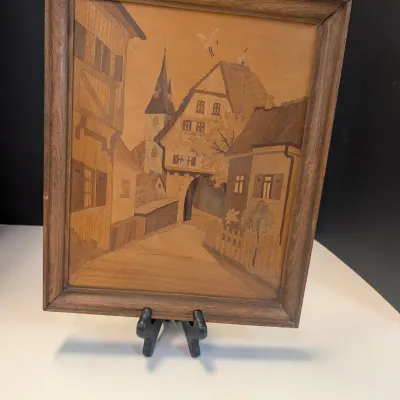
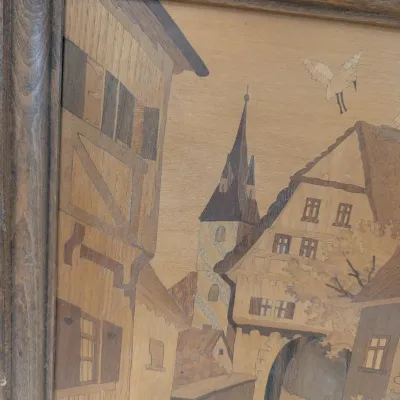
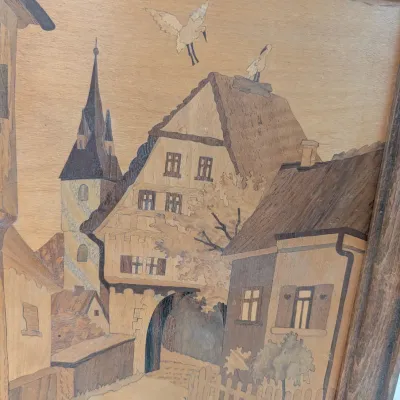
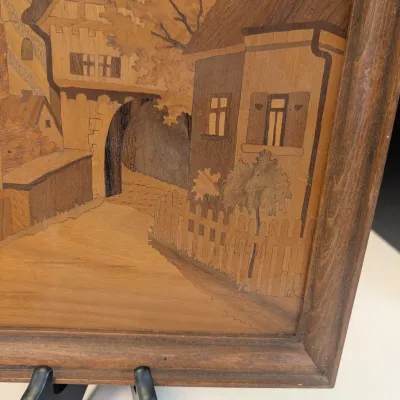
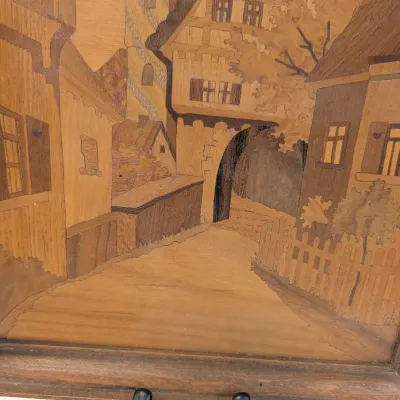
German wood inlay artwork is a highly skilled form of traditional woodworking where different types and colors of wood veneers are pieced together like a puzzle to create a flat, picture-like design. It is most commonly referred to by two terms: Marquetry (fitting thin wood pieces into a veneer sheet) or Intarsia (fitting shaped blocks of wood together). German artists are world-famous for using this technique to create beautiful, incredibly detailed scenes using only the natural grain, texture, and colors of woods harvested from places like the German Black Forest. 3706 / 5007 -
German wood inlay artwork is a highly skilled form of traditional woodworking where different types and colors of wood veneers are pieced together like a puzzle to create a flat, picture-like design. It is most commonly referred to by two terms: Marquetry (fitting thin wood pieces into a veneer sheet) or Intarsia (fitting shaped blocks of wood together). German artists are world-famous for using this technique to create beautiful, incredibly detailed scenes using only the natural grain, texture, and colors of woods harvested from places like the German Black Forest. 3707 / 5007 -
German wood inlay artwork is a highly skilled form of traditional woodworking where different types and colors of wood veneers are pieced together like a puzzle to create a flat, picture-like design. It is most commonly referred to by two terms: Marquetry (fitting thin wood pieces into a veneer sheet) or Intarsia (fitting shaped blocks of wood together). German artists are world-famous for using this technique to create beautiful, incredibly detailed scenes using only the natural grain, texture, and colors of woods harvested from places like the German Black Forest. 3708 / 5007 -
German wood inlay artwork is a highly skilled form of traditional woodworking where different types and colors of wood veneers are pieced together like a puzzle to create a flat, picture-like design. It is most commonly referred to by two terms: Marquetry (fitting thin wood pieces into a veneer sheet) or Intarsia (fitting shaped blocks of wood together). German artists are world-famous for using this technique to create beautiful, incredibly detailed scenes using only the natural grain, texture, and colors of woods harvested from places like the German Black Forest. 3709 / 5007 -
German wood inlay artwork is a highly skilled form of traditional woodworking where different types and colors of wood veneers are pieced together like a puzzle to create a flat, picture-like design. It is most commonly referred to by two terms: Marquetry (fitting thin wood pieces into a veneer sheet) or Intarsia (fitting shaped blocks of wood together). German artists are world-famous for using this technique to create beautiful, incredibly detailed scenes using only the natural grain, texture, and colors of woods harvested from places like the German Black Forest. 3710 / 5007 -
German wood inlay artwork is a highly skilled form of traditional woodworking where different types and colors of wood veneers are pieced together like a puzzle to create a flat, picture-like design. It is most commonly referred to by two terms: Marquetry (fitting thin wood pieces into a veneer sheet) or Intarsia (fitting shaped blocks of wood together). German artists are world-famous for using this technique to create beautiful, incredibly detailed scenes using only the natural grain, texture, and colors of woods harvested from places like the German Black Forest. 3711 / 5007 -
German wood inlay artwork is a highly skilled form of traditional woodworking where different types and colors of wood veneers are pieced together like a puzzle to create a flat, picture-like design. It is most commonly referred to by two terms: Marquetry (fitting thin wood pieces into a veneer sheet) or Intarsia (fitting shaped blocks of wood together). German artists are world-famous for using this technique to create beautiful, incredibly detailed scenes using only the natural grain, texture, and colors of woods harvested from places like the German Black Forest. 3712 / 5007 -
German wood inlay artwork is a highly skilled form of traditional woodworking where different types and colors of wood veneers are pieced together like a puzzle to create a flat, picture-like design. It is most commonly referred to by two terms: Marquetry (fitting thin wood pieces into a veneer sheet) or Intarsia (fitting shaped blocks of wood together). German artists are world-famous for using this technique to create beautiful, incredibly detailed scenes using only the natural grain, texture, and colors of woods harvested from places like the German Black Forest. 3713 / 5007 -
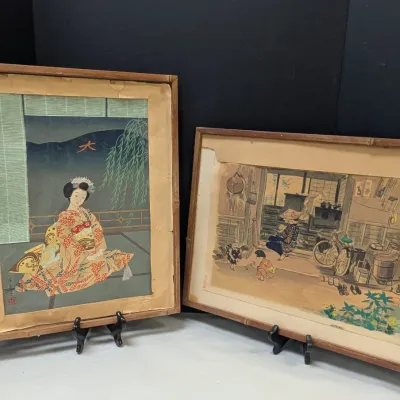
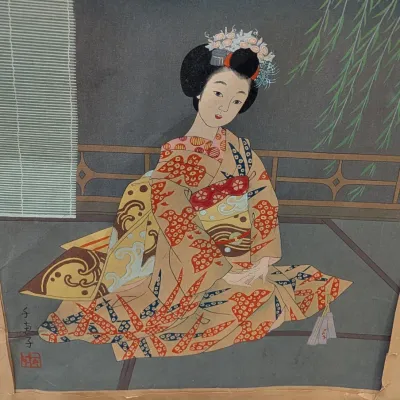
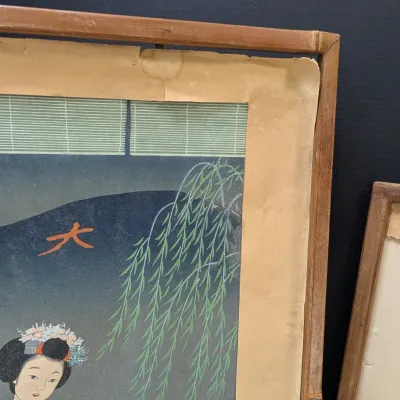
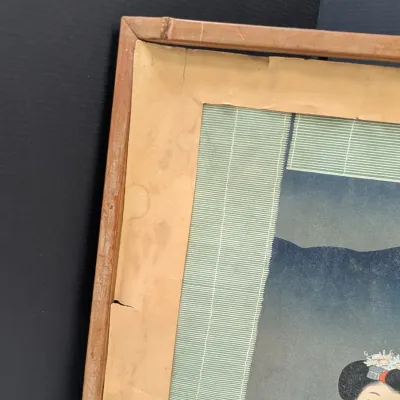
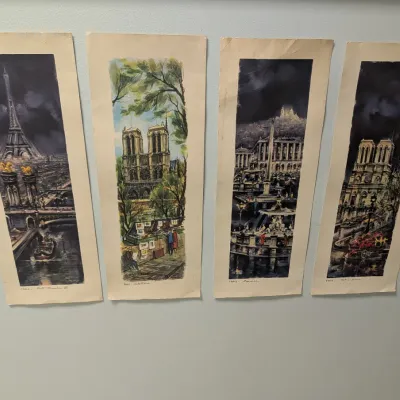
lithos have some damage 3722 / 5007 -
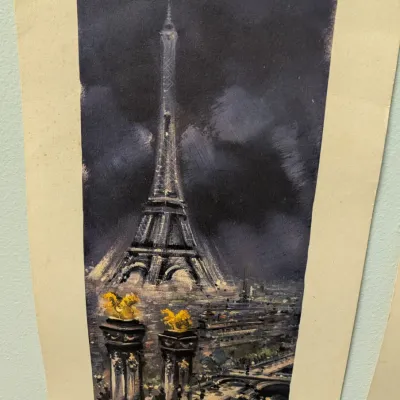
lithos have some damage 3723 / 5007 -
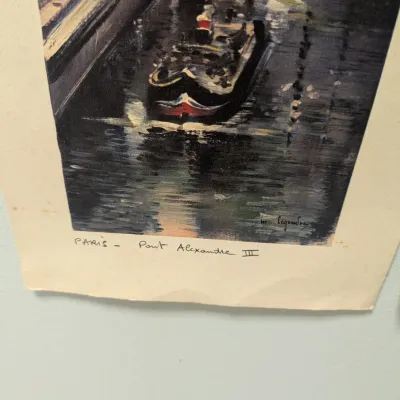
lithos have some damage 3724 / 5007 -
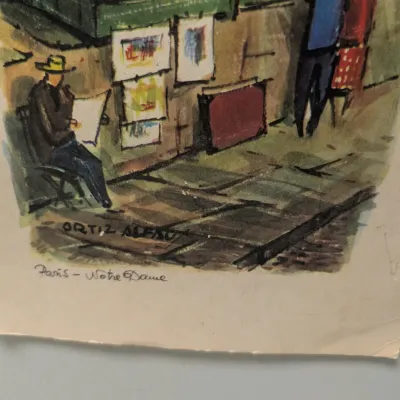
lithos have some damage 3725 / 5007 -
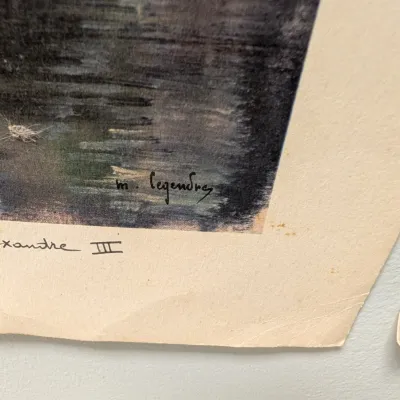
lithos have some damage 3726 / 5007 -
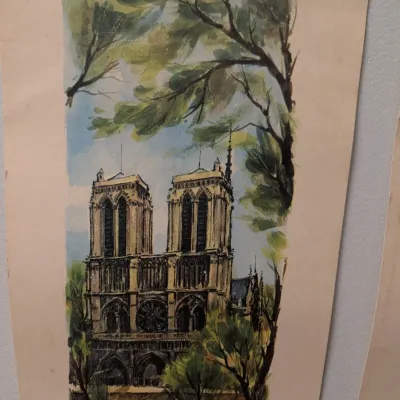
lithos have some damage 3727 / 5007 -
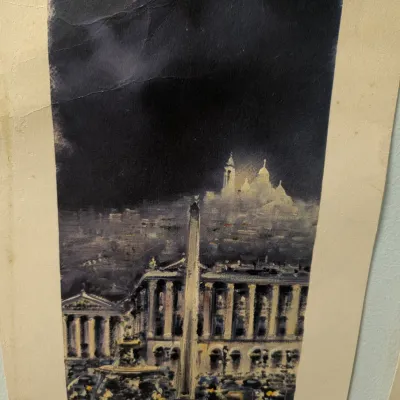
lithos have some damage 3728 / 5007 -
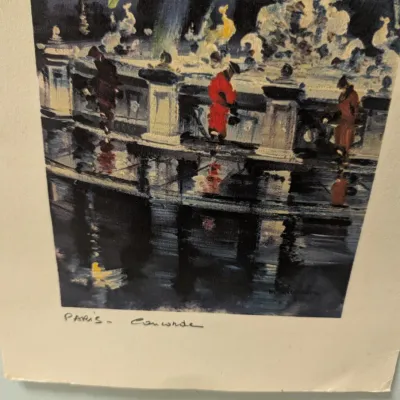
lithos have some damage 3729 / 5007 -
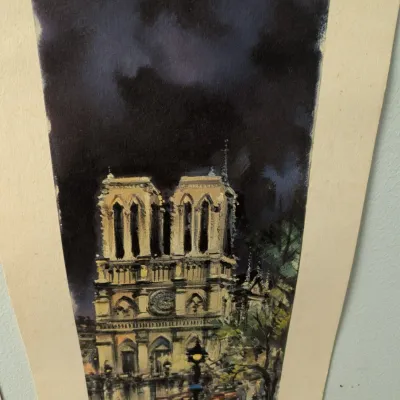
lithos have some damage 3730 / 5007 -
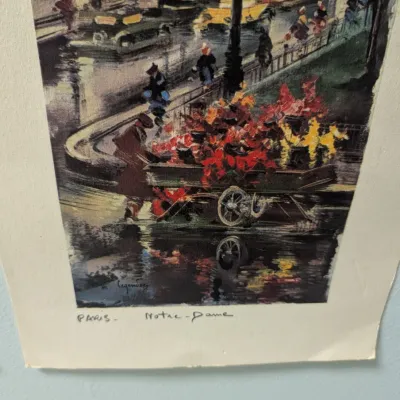
lithos have some damage 3731 / 5007 -
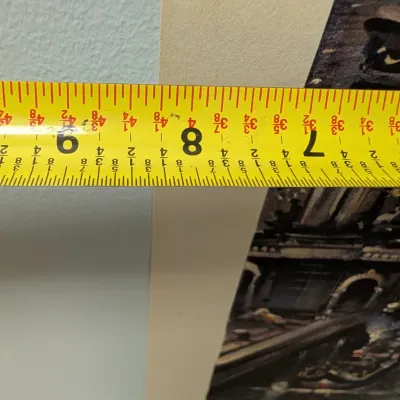
lithos have some damage 3732 / 5007 -
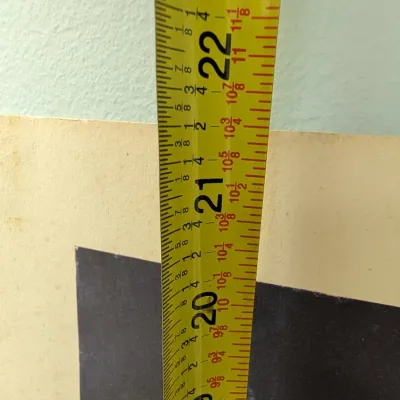
lithos have some damage 3733 / 5007 -
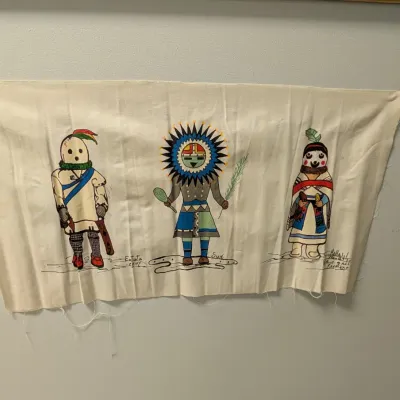
Kachina Chiefs Painting On Canvas 3734 / 5007 -
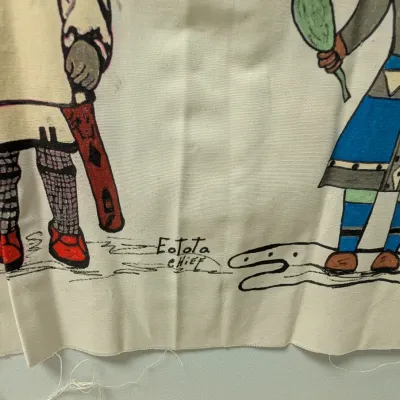
Kachina Chiefs Painting On Canvas 3735 / 5007 -

Kachina Chiefs Painting On Canvas 3736 / 5007 -
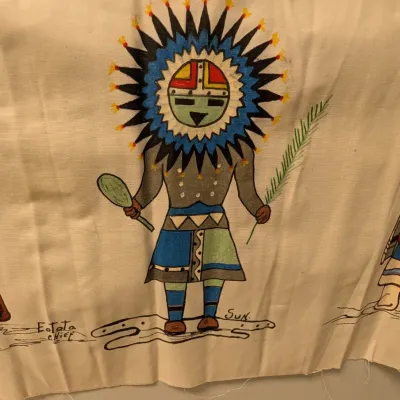
Kachina Chiefs Painting On Canvas 3737 / 5007 -
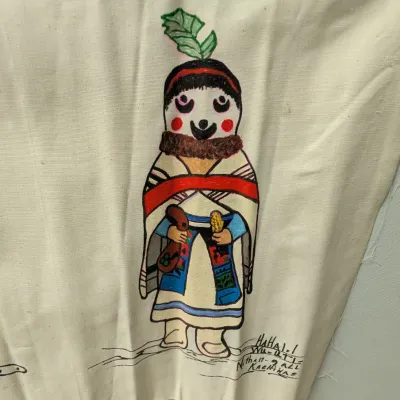
Kachina Chiefs Painting On Canvas 3738 / 5007 -
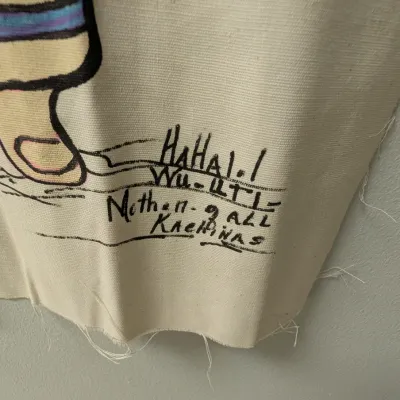
Kachina Chiefs Painting On Canvas 3739 / 5007 -
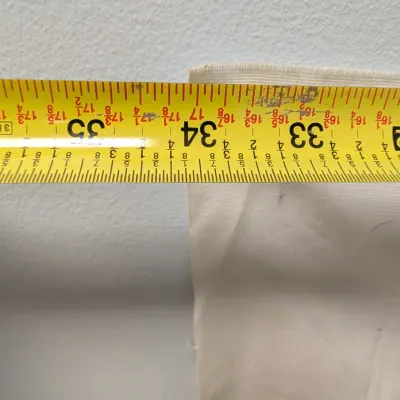
Kachina Chiefs Painting On Canvas 3740 / 5007 -
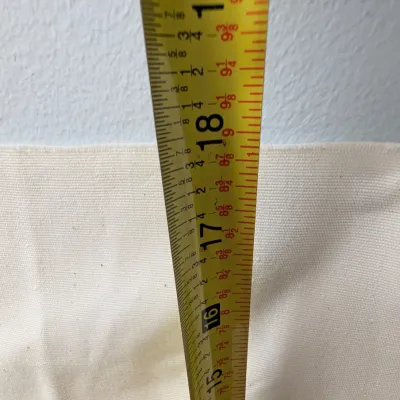
Kachina Chiefs Painting On Canvas 3741 / 5007 -
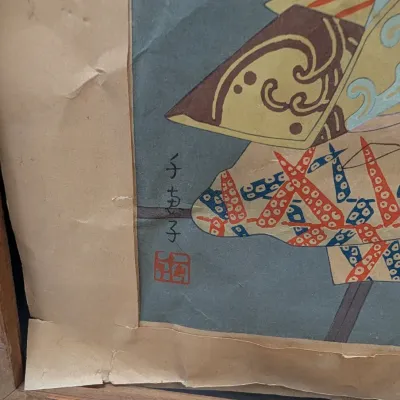
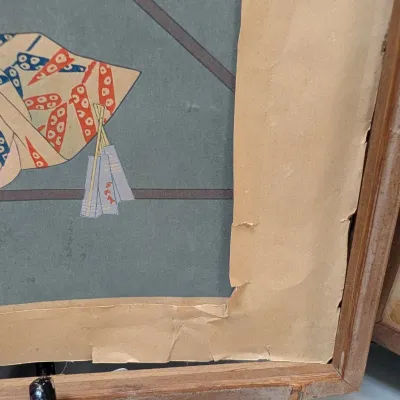
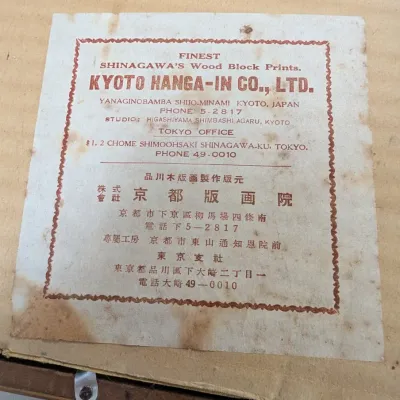
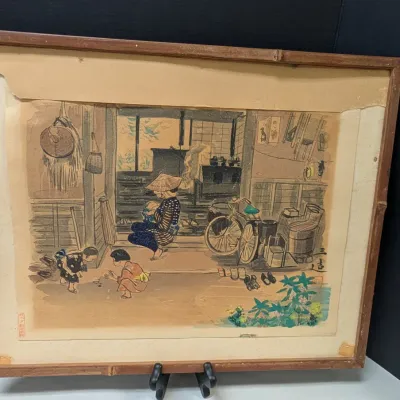
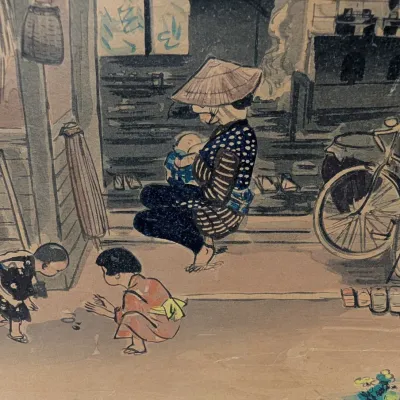
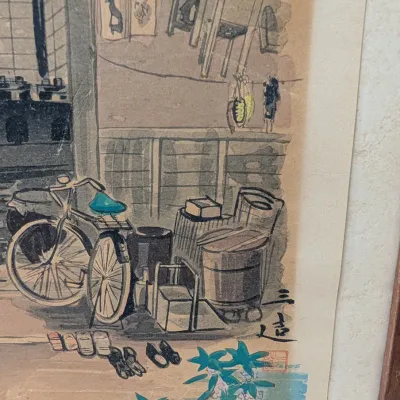
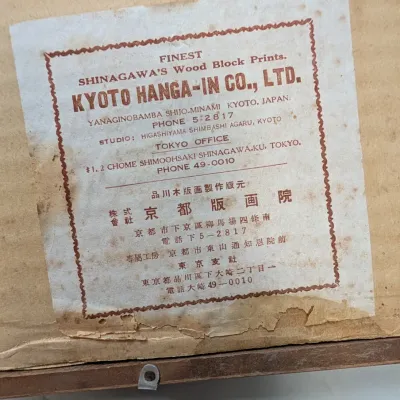
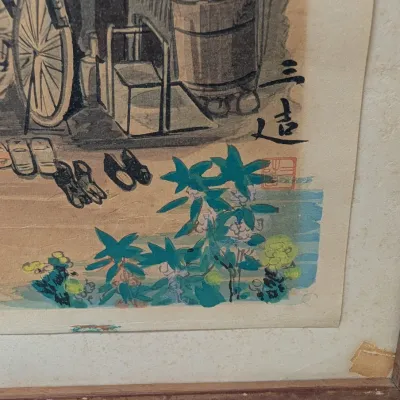
Shinagawa’s woodblock prints are most famous for depicting Shinagawa-shuku, the very first rest station on the historic Tōkaidō road. Located right on the edge of Edo Bay (modern-day Tokyo), Shinagawa was a bustling harbor town filled with inns, teahouses, and travelers leaving or arriving at the capital. Master artists from both the traditional Ukiyo-e (Edo period) and the modern Shin-hanga (20th century) 3742 / 5007 -
Shinagawa’s woodblock prints are most famous for depicting Shinagawa-shuku, the very first rest station on the historic Tōkaidō road. Located right on the edge of Edo Bay (modern-day Tokyo), Shinagawa was a bustling harbor town filled with inns, teahouses, and travelers leaving or arriving at the capital. Master artists from both the traditional Ukiyo-e (Edo period) and the modern Shin-hanga (20th century) 3743 / 5007 -
Shinagawa’s woodblock prints are most famous for depicting Shinagawa-shuku, the very first rest station on the historic Tōkaidō road. Located right on the edge of Edo Bay (modern-day Tokyo), Shinagawa was a bustling harbor town filled with inns, teahouses, and travelers leaving or arriving at the capital. Master artists from both the traditional Ukiyo-e (Edo period) and the modern Shin-hanga (20th century) 3744 / 5007 -
Shinagawa’s woodblock prints are most famous for depicting Shinagawa-shuku, the very first rest station on the historic Tōkaidō road. Located right on the edge of Edo Bay (modern-day Tokyo), Shinagawa was a bustling harbor town filled with inns, teahouses, and travelers leaving or arriving at the capital. Master artists from both the traditional Ukiyo-e (Edo period) and the modern Shin-hanga (20th century) 3745 / 5007 -
Shinagawa’s woodblock prints are most famous for depicting Shinagawa-shuku, the very first rest station on the historic Tōkaidō road. Located right on the edge of Edo Bay (modern-day Tokyo), Shinagawa was a bustling harbor town filled with inns, teahouses, and travelers leaving or arriving at the capital. Master artists from both the traditional Ukiyo-e (Edo period) and the modern Shin-hanga (20th century) 3746 / 5007 -
Shinagawa’s woodblock prints are most famous for depicting Shinagawa-shuku, the very first rest station on the historic Tōkaidō road. Located right on the edge of Edo Bay (modern-day Tokyo), Shinagawa was a bustling harbor town filled with inns, teahouses, and travelers leaving or arriving at the capital. Master artists from both the traditional Ukiyo-e (Edo period) and the modern Shin-hanga (20th century) 3747 / 5007 -
Shinagawa’s woodblock prints are most famous for depicting Shinagawa-shuku, the very first rest station on the historic Tōkaidō road. Located right on the edge of Edo Bay (modern-day Tokyo), Shinagawa was a bustling harbor town filled with inns, teahouses, and travelers leaving or arriving at the capital. Master artists from both the traditional Ukiyo-e (Edo period) and the modern Shin-hanga (20th century) 3748 / 5007 -
Shinagawa’s woodblock prints are most famous for depicting Shinagawa-shuku, the very first rest station on the historic Tōkaidō road. Located right on the edge of Edo Bay (modern-day Tokyo), Shinagawa was a bustling harbor town filled with inns, teahouses, and travelers leaving or arriving at the capital. Master artists from both the traditional Ukiyo-e (Edo period) and the modern Shin-hanga (20th century) 3749 / 5007 -
Shinagawa’s woodblock prints are most famous for depicting Shinagawa-shuku, the very first rest station on the historic Tōkaidō road. Located right on the edge of Edo Bay (modern-day Tokyo), Shinagawa was a bustling harbor town filled with inns, teahouses, and travelers leaving or arriving at the capital. Master artists from both the traditional Ukiyo-e (Edo period) and the modern Shin-hanga (20th century) 3750 / 5007 -
Shinagawa’s woodblock prints are most famous for depicting Shinagawa-shuku, the very first rest station on the historic Tōkaidō road. Located right on the edge of Edo Bay (modern-day Tokyo), Shinagawa was a bustling harbor town filled with inns, teahouses, and travelers leaving or arriving at the capital. Master artists from both the traditional Ukiyo-e (Edo period) and the modern Shin-hanga (20th century) 3751 / 5007 -
Shinagawa’s woodblock prints are most famous for depicting Shinagawa-shuku, the very first rest station on the historic Tōkaidō road. Located right on the edge of Edo Bay (modern-day Tokyo), Shinagawa was a bustling harbor town filled with inns, teahouses, and travelers leaving or arriving at the capital. Master artists from both the traditional Ukiyo-e (Edo period) and the modern Shin-hanga (20th century) 3752 / 5007 -
Shinagawa’s woodblock prints are most famous for depicting Shinagawa-shuku, the very first rest station on the historic Tōkaidō road. Located right on the edge of Edo Bay (modern-day Tokyo), Shinagawa was a bustling harbor town filled with inns, teahouses, and travelers leaving or arriving at the capital. Master artists from both the traditional Ukiyo-e (Edo period) and the modern Shin-hanga (20th century) 3753 / 5007 -
Shinagawa’s woodblock prints are most famous for depicting Shinagawa-shuku, the very first rest station on the historic Tōkaidō road. Located right on the edge of Edo Bay (modern-day Tokyo), Shinagawa was a bustling harbor town filled with inns, teahouses, and travelers leaving or arriving at the capital. Master artists from both the traditional Ukiyo-e (Edo period) and the modern Shin-hanga (20th century) 3754 / 5007 -
Shinagawa’s woodblock prints are most famous for depicting Shinagawa-shuku, the very first rest station on the historic Tōkaidō road. Located right on the edge of Edo Bay (modern-day Tokyo), Shinagawa was a bustling harbor town filled with inns, teahouses, and travelers leaving or arriving at the capital. Master artists from both the traditional Ukiyo-e (Edo period) and the modern Shin-hanga (20th century) 3755 / 5007 -
Shinagawa’s woodblock prints are most famous for depicting Shinagawa-shuku, the very first rest station on the historic Tōkaidō road. Located right on the edge of Edo Bay (modern-day Tokyo), Shinagawa was a bustling harbor town filled with inns, teahouses, and travelers leaving or arriving at the capital. Master artists from both the traditional Ukiyo-e (Edo period) and the modern Shin-hanga (20th century) 3756 / 5007 -
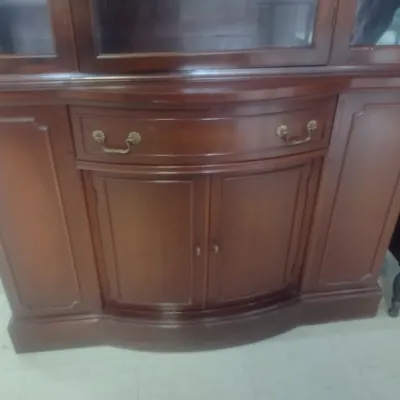
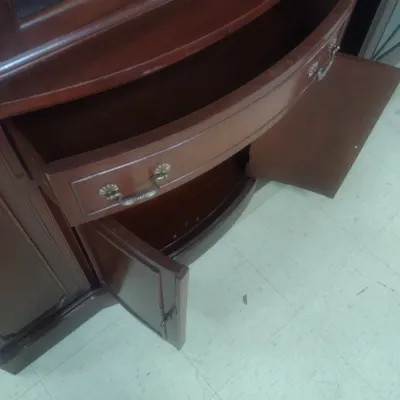
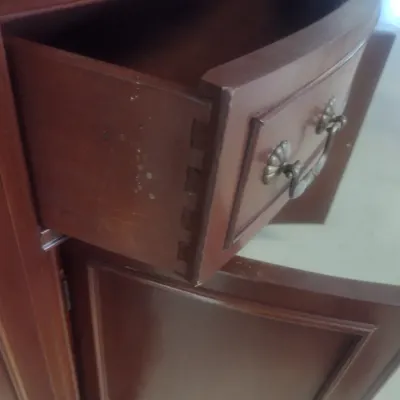
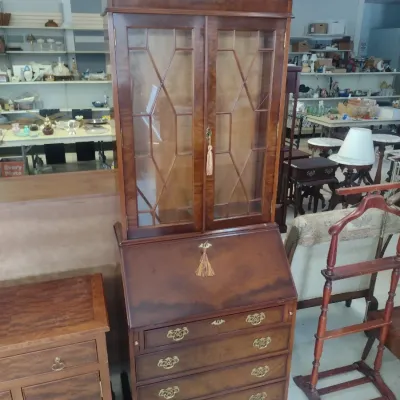
Vintage Drop Front Secretary with Hutch Top 3757 / 5007 -
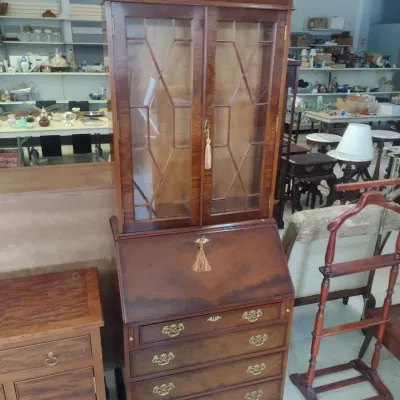
Vintage Drop Front Secretary with Hutch Top 3758 / 5007 -
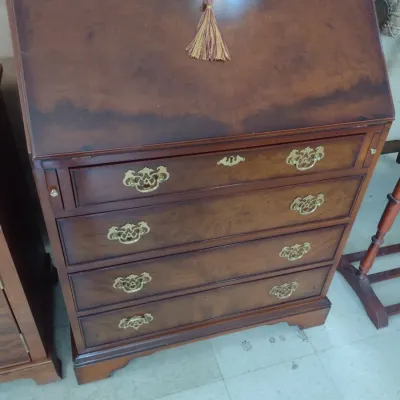
Vintage Drop Front Secretary with Hutch Top 3759 / 5007 -
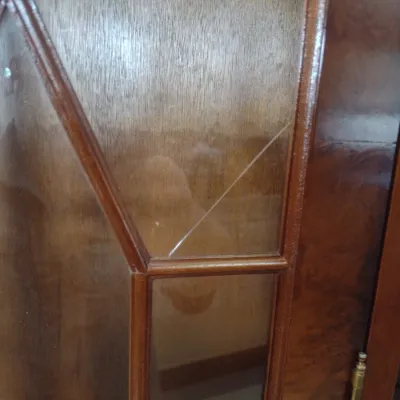
Vintage Drop Front Secretary with Hutch Top 3760 / 5007 -
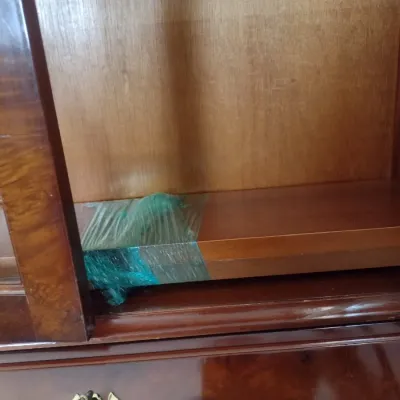
Vintage Drop Front Secretary with Hutch Top 3761 / 5007 -
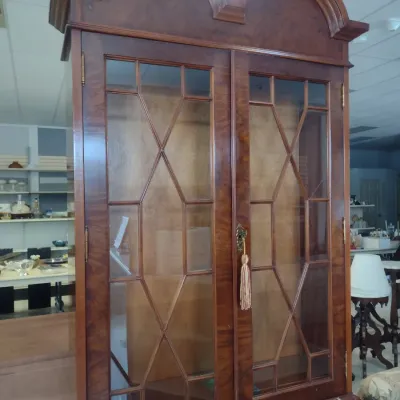
Vintage Drop Front Secretary with Hutch Top 3762 / 5007 -
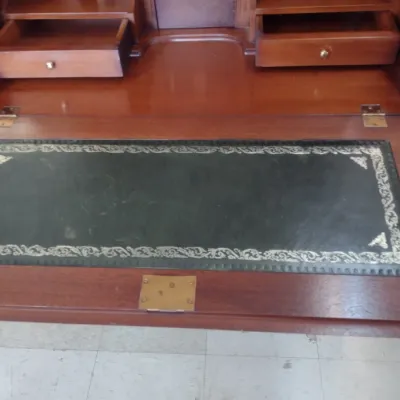
Vintage Drop Front Secretary with Hutch Top 3763 / 5007 -
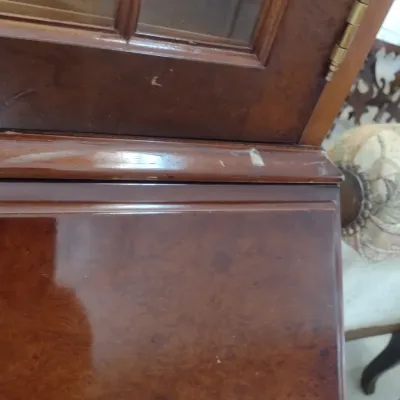
Vintage Drop Front Secretary with Hutch Top 3764 / 5007 -
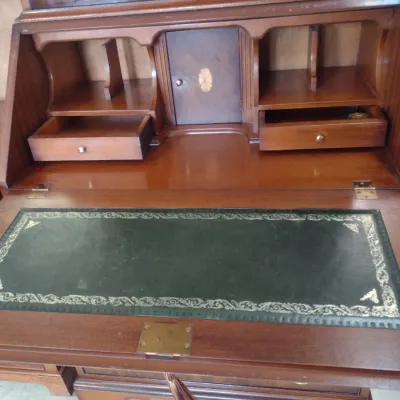
Vintage Drop Front Secretary with Hutch Top 3765 / 5007 -
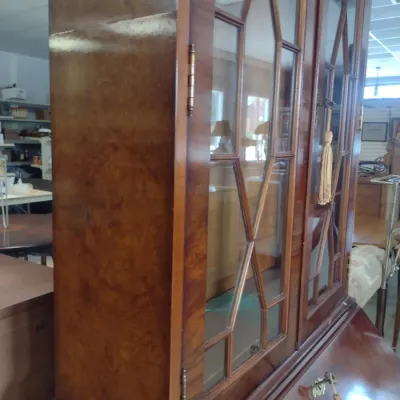
Vintage Drop Front Secretary with Hutch Top 3766 / 5007 -
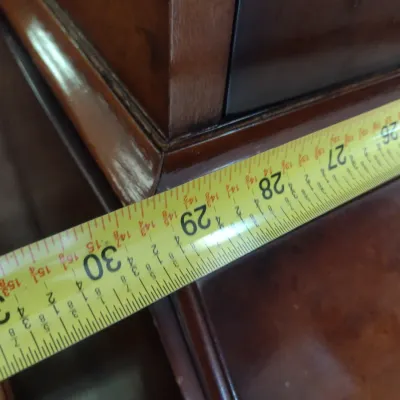
Vintage Drop Front Secretary with Hutch Top 3767 / 5007 -
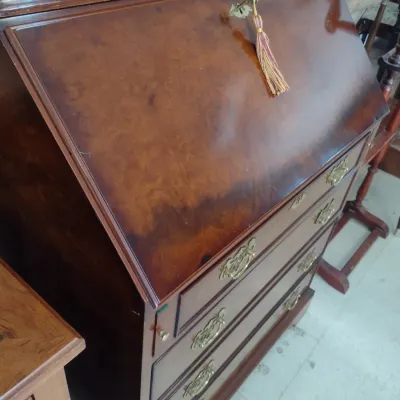
Vintage Drop Front Secretary with Hutch Top 3768 / 5007 -
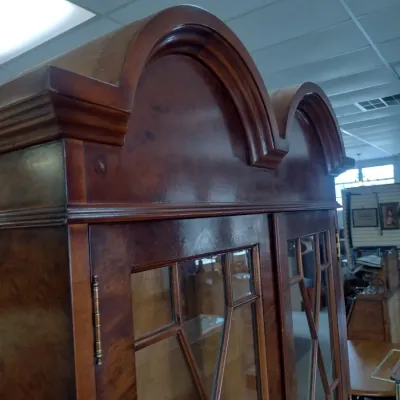
Vintage Drop Front Secretary with Hutch Top 3769 / 5007 -
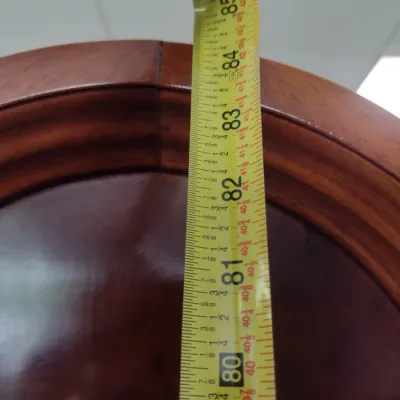
Vintage Drop Front Secretary with Hutch Top 3770 / 5007 -
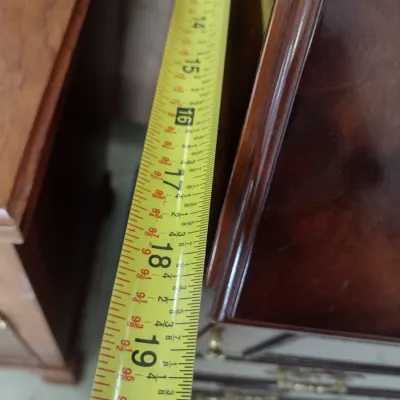
Vintage Drop Front Secretary with Hutch Top 3771 / 5007 -
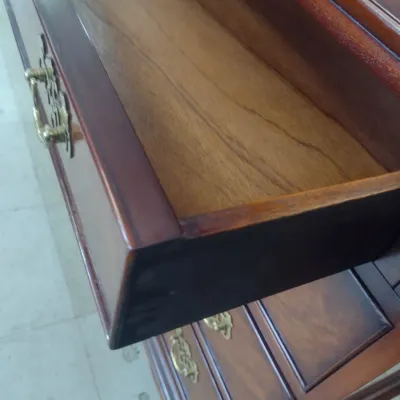
Vintage Drop Front Secretary with Hutch Top 3772 / 5007
Photos 3701 - 3800 of 5007
Per page: