-
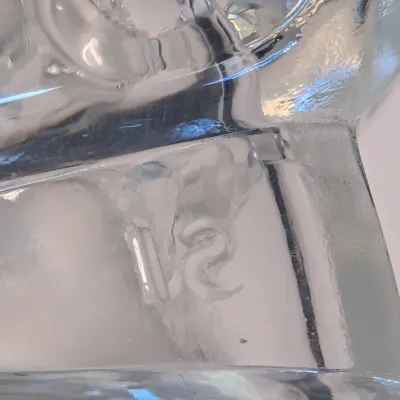
No markings 1701 / 5007 -
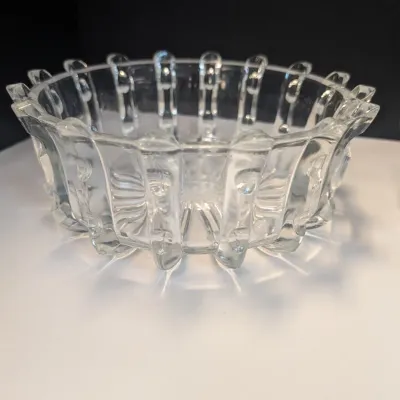
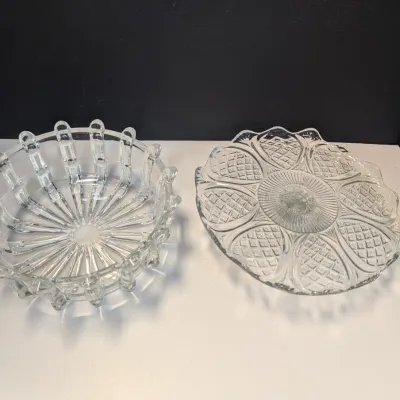
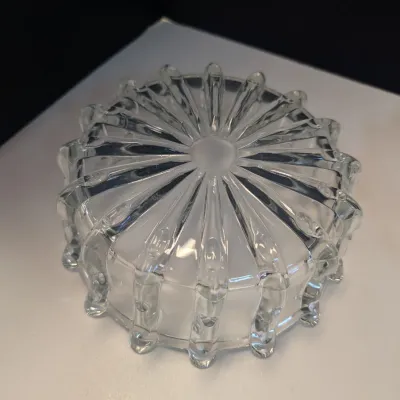
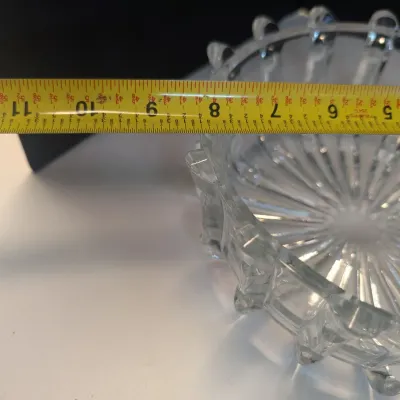
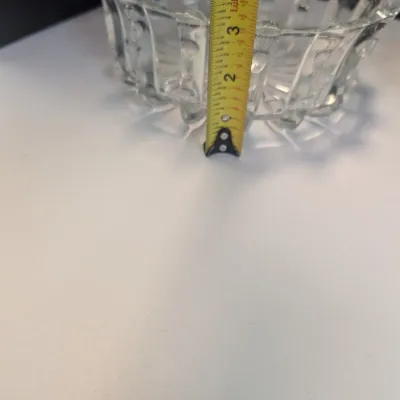
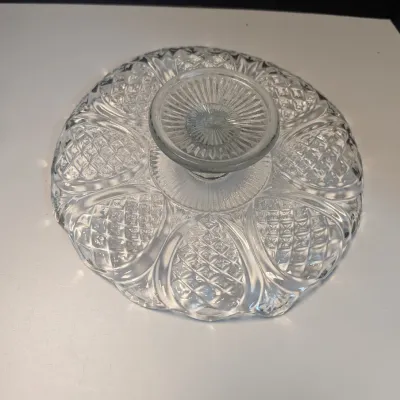
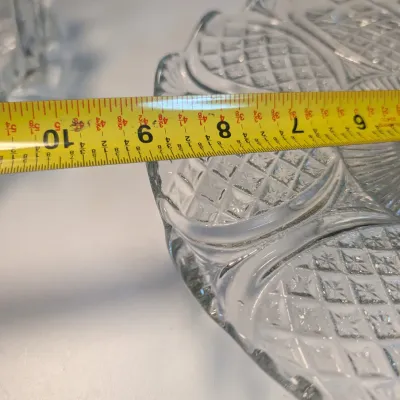
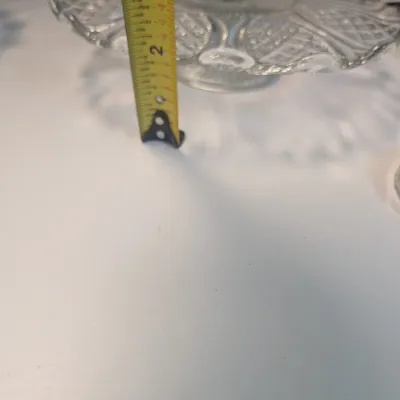
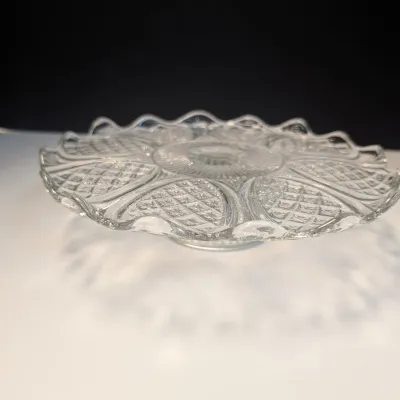
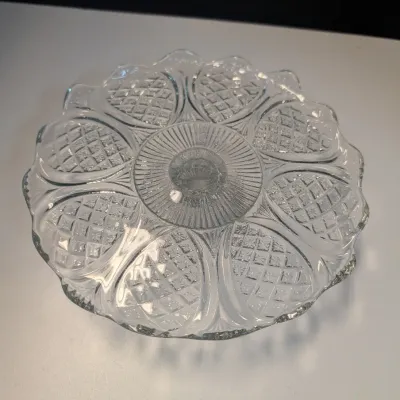
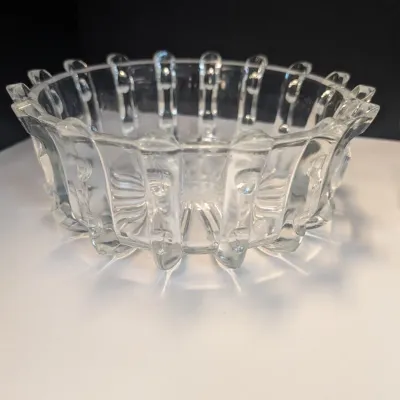
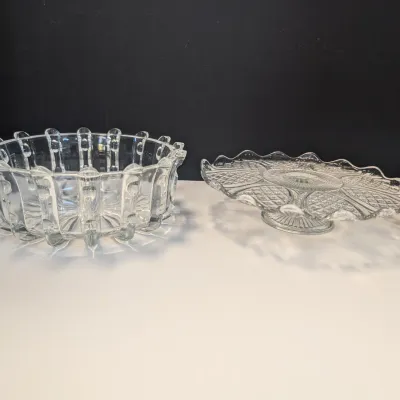
The US Glass Broken Column bowl refers to a highly collectible piece of Early American Pattern Glass (EAPG) originally introduced in 1893 by the United States Glass Company under the official factory designation Pattern No. 15021 Design Features: It features distinctive, heavy vertical glass stripes or "columns" with horizontal notches or cuts that echo neoclassical architecture. In serving bowls, these prominent columns cascade down the sides and converge at a circle on the bottom, often extending slightly past the base to serve as the feet of the bowl. 1702 / 5007 -
The US Glass Broken Column bowl refers to a highly collectible piece of Early American Pattern Glass (EAPG) originally introduced in 1893 by the United States Glass Company under the official factory designation Pattern No. 15021 Design Features: It features distinctive, heavy vertical glass stripes or "columns" with horizontal notches or cuts that echo neoclassical architecture. In serving bowls, these prominent columns cascade down the sides and converge at a circle on the bottom, often extending slightly past the base to serve as the feet of the bowl. 1703 / 5007 -
The US Glass Broken Column bowl refers to a highly collectible piece of Early American Pattern Glass (EAPG) originally introduced in 1893 by the United States Glass Company under the official factory designation Pattern No. 15021 Design Features: It features distinctive, heavy vertical glass stripes or "columns" with horizontal notches or cuts that echo neoclassical architecture. In serving bowls, these prominent columns cascade down the sides and converge at a circle on the bottom, often extending slightly past the base to serve as the feet of the bowl. 1704 / 5007 -
The US Glass Broken Column bowl refers to a highly collectible piece of Early American Pattern Glass (EAPG) originally introduced in 1893 by the United States Glass Company under the official factory designation Pattern No. 15021 Design Features: It features distinctive, heavy vertical glass stripes or "columns" with horizontal notches or cuts that echo neoclassical architecture. In serving bowls, these prominent columns cascade down the sides and converge at a circle on the bottom, often extending slightly past the base to serve as the feet of the bowl. 1705 / 5007 -
The US Glass Broken Column bowl refers to a highly collectible piece of Early American Pattern Glass (EAPG) originally introduced in 1893 by the United States Glass Company under the official factory designation Pattern No. 15021 Design Features: It features distinctive, heavy vertical glass stripes or "columns" with horizontal notches or cuts that echo neoclassical architecture. In serving bowls, these prominent columns cascade down the sides and converge at a circle on the bottom, often extending slightly past the base to serve as the feet of the bowl. 1706 / 5007 -
The US Glass Broken Column bowl refers to a highly collectible piece of Early American Pattern Glass (EAPG) originally introduced in 1893 by the United States Glass Company under the official factory designation Pattern No. 15021 Design Features: It features distinctive, heavy vertical glass stripes or "columns" with horizontal notches or cuts that echo neoclassical architecture. In serving bowls, these prominent columns cascade down the sides and converge at a circle on the bottom, often extending slightly past the base to serve as the feet of the bowl. 1707 / 5007 -
The US Glass Broken Column bowl refers to a highly collectible piece of Early American Pattern Glass (EAPG) originally introduced in 1893 by the United States Glass Company under the official factory designation Pattern No. 15021 Design Features: It features distinctive, heavy vertical glass stripes or "columns" with horizontal notches or cuts that echo neoclassical architecture. In serving bowls, these prominent columns cascade down the sides and converge at a circle on the bottom, often extending slightly past the base to serve as the feet of the bowl. 1708 / 5007 -
The US Glass Broken Column bowl refers to a highly collectible piece of Early American Pattern Glass (EAPG) originally introduced in 1893 by the United States Glass Company under the official factory designation Pattern No. 15021 Design Features: It features distinctive, heavy vertical glass stripes or "columns" with horizontal notches or cuts that echo neoclassical architecture. In serving bowls, these prominent columns cascade down the sides and converge at a circle on the bottom, often extending slightly past the base to serve as the feet of the bowl. 1709 / 5007 -
The US Glass Broken Column bowl refers to a highly collectible piece of Early American Pattern Glass (EAPG) originally introduced in 1893 by the United States Glass Company under the official factory designation Pattern No. 15021 Design Features: It features distinctive, heavy vertical glass stripes or "columns" with horizontal notches or cuts that echo neoclassical architecture. In serving bowls, these prominent columns cascade down the sides and converge at a circle on the bottom, often extending slightly past the base to serve as the feet of the bowl. 1710 / 5007 -
The US Glass Broken Column bowl refers to a highly collectible piece of Early American Pattern Glass (EAPG) originally introduced in 1893 by the United States Glass Company under the official factory designation Pattern No. 15021 Design Features: It features distinctive, heavy vertical glass stripes or "columns" with horizontal notches or cuts that echo neoclassical architecture. In serving bowls, these prominent columns cascade down the sides and converge at a circle on the bottom, often extending slightly past the base to serve as the feet of the bowl. 1711 / 5007 -
The US Glass Broken Column bowl refers to a highly collectible piece of Early American Pattern Glass (EAPG) originally introduced in 1893 by the United States Glass Company under the official factory designation Pattern No. 15021 Design Features: It features distinctive, heavy vertical glass stripes or "columns" with horizontal notches or cuts that echo neoclassical architecture. In serving bowls, these prominent columns cascade down the sides and converge at a circle on the bottom, often extending slightly past the base to serve as the feet of the bowl. 1712 / 5007 -
The US Glass Broken Column bowl refers to a highly collectible piece of Early American Pattern Glass (EAPG) originally introduced in 1893 by the United States Glass Company under the official factory designation Pattern No. 15021 Design Features: It features distinctive, heavy vertical glass stripes or "columns" with horizontal notches or cuts that echo neoclassical architecture. In serving bowls, these prominent columns cascade down the sides and converge at a circle on the bottom, often extending slightly past the base to serve as the feet of the bowl. 1713 / 5007 -
The US Glass Broken Column bowl refers to a highly collectible piece of Early American Pattern Glass (EAPG) originally introduced in 1893 by the United States Glass Company under the official factory designation Pattern No. 15021 Design Features: It features distinctive, heavy vertical glass stripes or "columns" with horizontal notches or cuts that echo neoclassical architecture. In serving bowls, these prominent columns cascade down the sides and converge at a circle on the bottom, often extending slightly past the base to serve as the feet of the bowl. 1714 / 5007 -
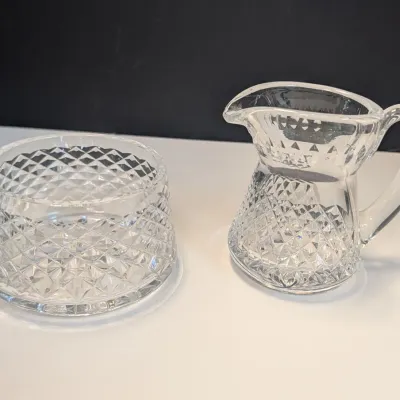
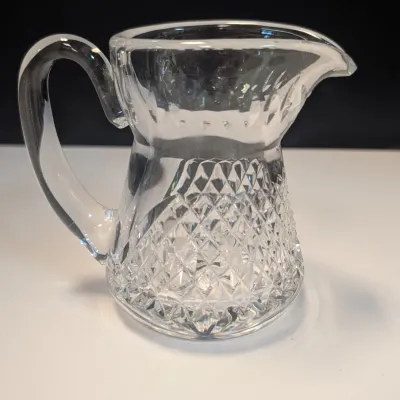
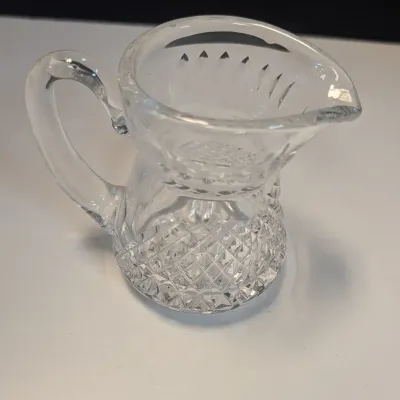
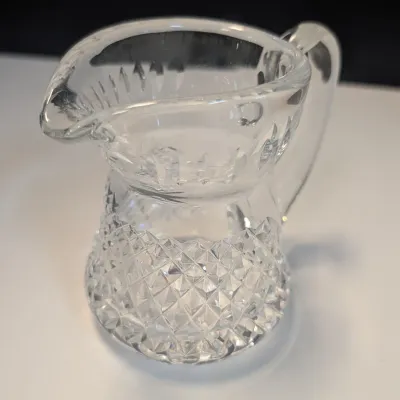
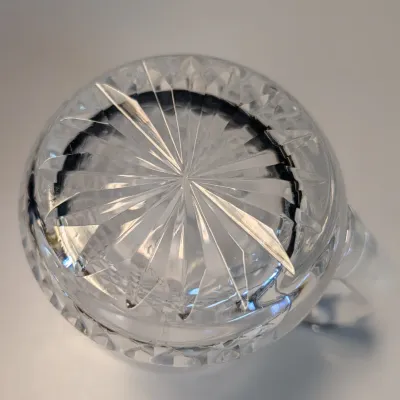
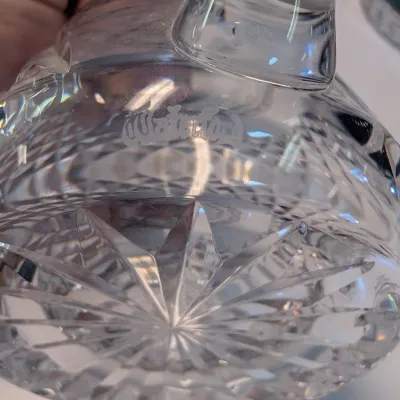
The Vintage Waterford Crystal Alana Creamer & Sugar Bowl is a highly collectible tableware set featuring Waterford's iconic Alana pattern, which was introduced in 1952 and produced until it was discontinued in 2022. Crafted from heavy Irish lead crystal, this design is renowned for its signature horizontal bands of deep cross-hatch diamond cuts, radial starburst bases, and brilliant light refraction. Authentic vintage pieces are hand-blown, hand-cut, and bear the authentic acid-etched Waterford script or Gothic watermark logo on the base 1715 / 5007 -
The Vintage Waterford Crystal Alana Creamer & Sugar Bowl is a highly collectible tableware set featuring Waterford's iconic Alana pattern, which was introduced in 1952 and produced until it was discontinued in 2022. Crafted from heavy Irish lead crystal, this design is renowned for its signature horizontal bands of deep cross-hatch diamond cuts, radial starburst bases, and brilliant light refraction. Authentic vintage pieces are hand-blown, hand-cut, and bear the authentic acid-etched Waterford script or Gothic watermark logo on the base 1716 / 5007 -
The Vintage Waterford Crystal Alana Creamer & Sugar Bowl is a highly collectible tableware set featuring Waterford's iconic Alana pattern, which was introduced in 1952 and produced until it was discontinued in 2022. Crafted from heavy Irish lead crystal, this design is renowned for its signature horizontal bands of deep cross-hatch diamond cuts, radial starburst bases, and brilliant light refraction. Authentic vintage pieces are hand-blown, hand-cut, and bear the authentic acid-etched Waterford script or Gothic watermark logo on the base 1717 / 5007 -
The Vintage Waterford Crystal Alana Creamer & Sugar Bowl is a highly collectible tableware set featuring Waterford's iconic Alana pattern, which was introduced in 1952 and produced until it was discontinued in 2022. Crafted from heavy Irish lead crystal, this design is renowned for its signature horizontal bands of deep cross-hatch diamond cuts, radial starburst bases, and brilliant light refraction. Authentic vintage pieces are hand-blown, hand-cut, and bear the authentic acid-etched Waterford script or Gothic watermark logo on the base 1718 / 5007 -
The Vintage Waterford Crystal Alana Creamer & Sugar Bowl is a highly collectible tableware set featuring Waterford's iconic Alana pattern, which was introduced in 1952 and produced until it was discontinued in 2022. Crafted from heavy Irish lead crystal, this design is renowned for its signature horizontal bands of deep cross-hatch diamond cuts, radial starburst bases, and brilliant light refraction. Authentic vintage pieces are hand-blown, hand-cut, and bear the authentic acid-etched Waterford script or Gothic watermark logo on the base 1719 / 5007 -
The Vintage Waterford Crystal Alana Creamer & Sugar Bowl is a highly collectible tableware set featuring Waterford's iconic Alana pattern, which was introduced in 1952 and produced until it was discontinued in 2022. Crafted from heavy Irish lead crystal, this design is renowned for its signature horizontal bands of deep cross-hatch diamond cuts, radial starburst bases, and brilliant light refraction. Authentic vintage pieces are hand-blown, hand-cut, and bear the authentic acid-etched Waterford script or Gothic watermark logo on the base 1720 / 5007 -
The Vintage Waterford Crystal Alana Creamer & Sugar Bowl is a highly collectible tableware set featuring Waterford's iconic Alana pattern, which was introduced in 1952 and produced until it was discontinued in 2022. Crafted from heavy Irish lead crystal, this design is renowned for its signature horizontal bands of deep cross-hatch diamond cuts, radial starburst bases, and brilliant light refraction. Authentic vintage pieces are hand-blown, hand-cut, and bear the authentic acid-etched Waterford script or Gothic watermark logo on the base 1721 / 5007 -
The Vintage Waterford Crystal Alana Creamer & Sugar Bowl is a highly collectible tableware set featuring Waterford's iconic Alana pattern, which was introduced in 1952 and produced until it was discontinued in 2022. Crafted from heavy Irish lead crystal, this design is renowned for its signature horizontal bands of deep cross-hatch diamond cuts, radial starburst bases, and brilliant light refraction. Authentic vintage pieces are hand-blown, hand-cut, and bear the authentic acid-etched Waterford script or Gothic watermark logo on the base 1722 / 5007 -
The Vintage Waterford Crystal Alana Creamer & Sugar Bowl is a highly collectible tableware set featuring Waterford's iconic Alana pattern, which was introduced in 1952 and produced until it was discontinued in 2022. Crafted from heavy Irish lead crystal, this design is renowned for its signature horizontal bands of deep cross-hatch diamond cuts, radial starburst bases, and brilliant light refraction. Authentic vintage pieces are hand-blown, hand-cut, and bear the authentic acid-etched Waterford script or Gothic watermark logo on the base 1723 / 5007 -
The Vintage Waterford Crystal Alana Creamer & Sugar Bowl is a highly collectible tableware set featuring Waterford's iconic Alana pattern, which was introduced in 1952 and produced until it was discontinued in 2022. Crafted from heavy Irish lead crystal, this design is renowned for its signature horizontal bands of deep cross-hatch diamond cuts, radial starburst bases, and brilliant light refraction. Authentic vintage pieces are hand-blown, hand-cut, and bear the authentic acid-etched Waterford script or Gothic watermark logo on the base 1724 / 5007 -
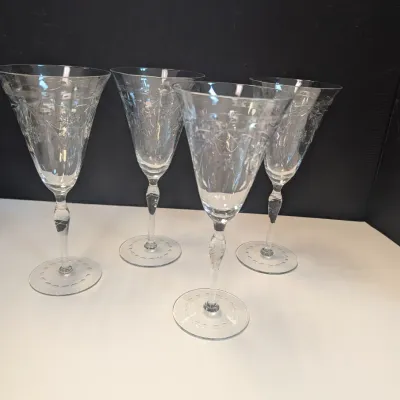
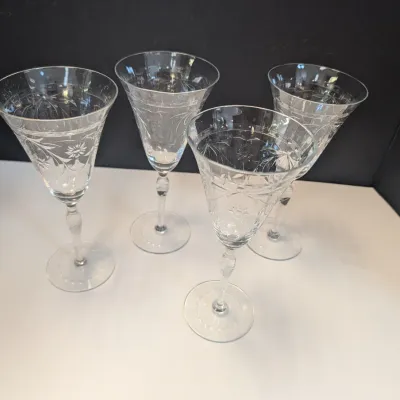
4 - Etched Crystal Wine Or Water Glassware 1725 / 5007 -
4 - Etched Crystal Wine Or Water Glassware 1726 / 5007 -
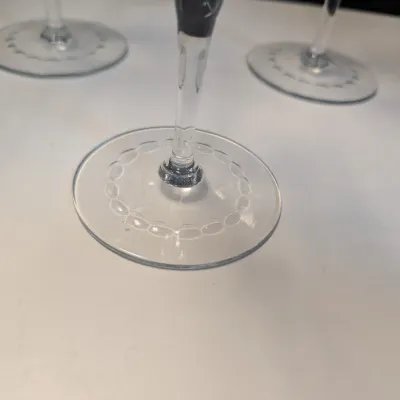
4 - Etched Crystal Wine Or Water Glassware 1727 / 5007 -
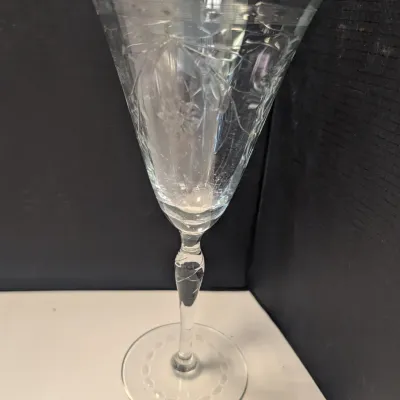
4 - Etched Crystal Wine Or Water Glassware 1728 / 5007 -
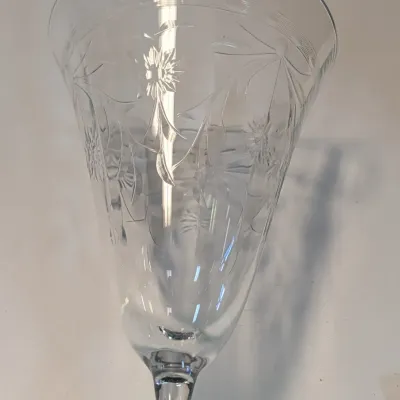
4 - Etched Crystal Wine Or Water Glassware 1729 / 5007 -
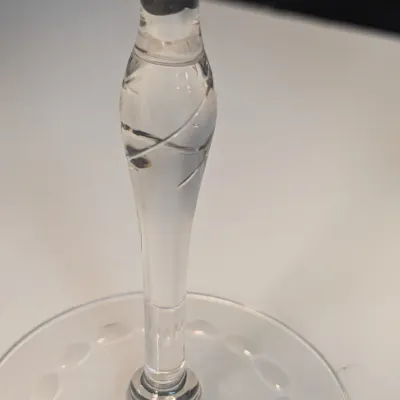
4 - Etched Crystal Wine Or Water Glassware 1730 / 5007 -
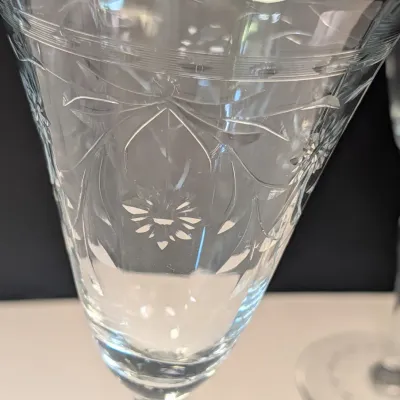
4 - Etched Crystal Wine Or Water Glassware 1731 / 5007 -
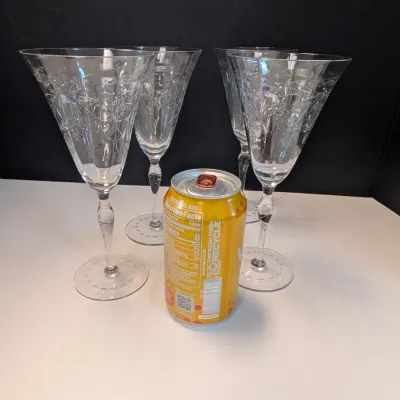
4 - Etched Crystal Wine Or Water Glassware 1732 / 5007 -
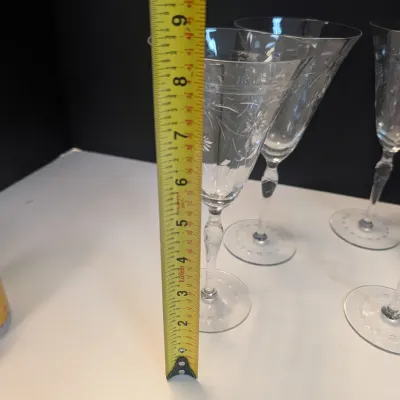
4 - Etched Crystal Wine Or Water Glassware 1733 / 5007 -
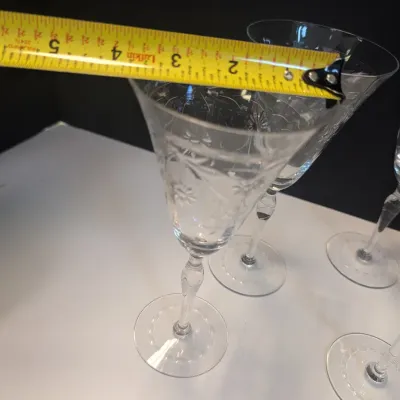
4 - Etched Crystal Wine Or Water Glassware 1734 / 5007 -
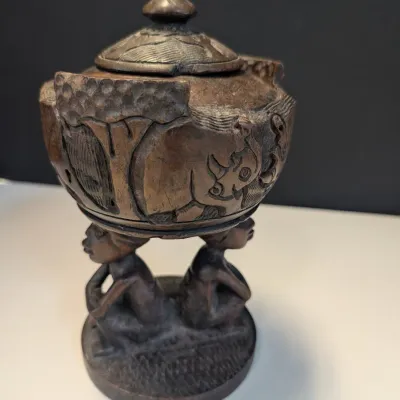
The lid does have some damage 1750 / 5007 -
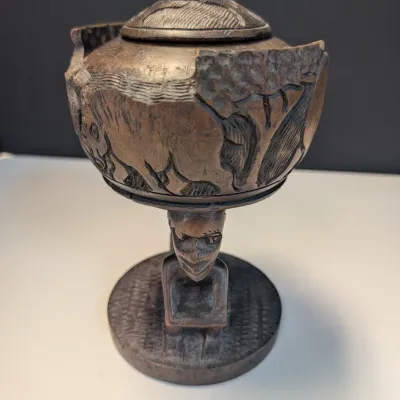
The lid does have some damage 1751 / 5007 -
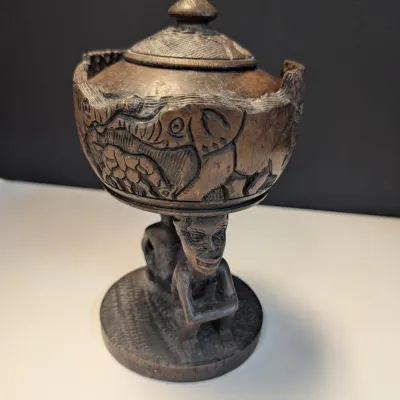
The lid does have some damage 1752 / 5007 -
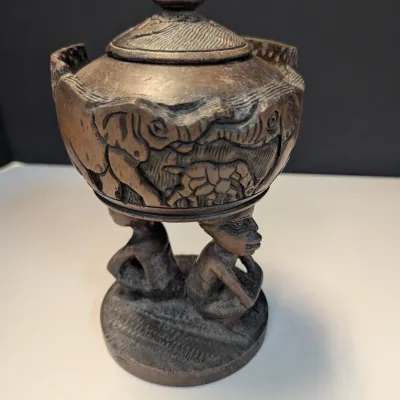
The lid does have some damage 1753 / 5007 -
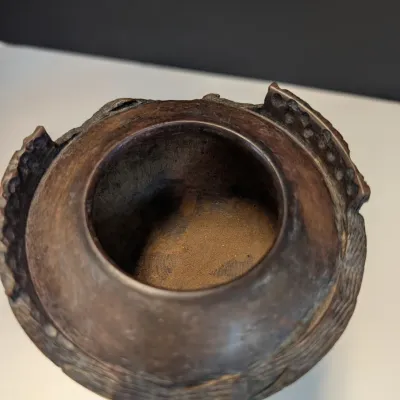
The lid does have some damage 1754 / 5007 -
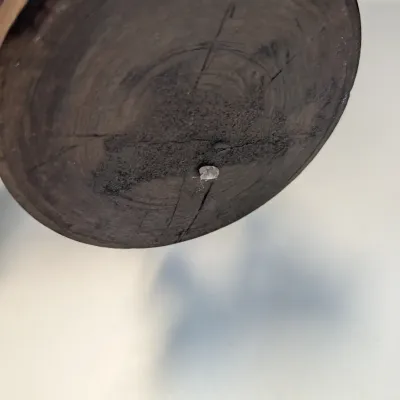
The lid does have some damage 1755 / 5007 -
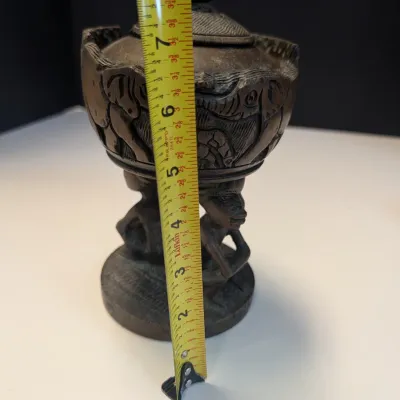
The lid does have some damage 1756 / 5007 -
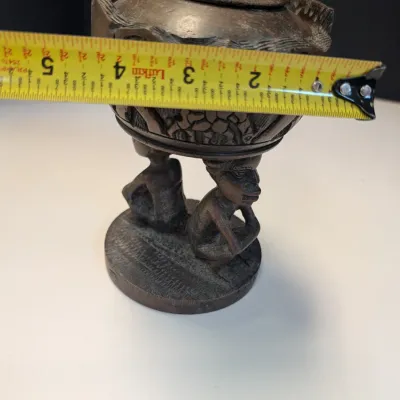
The lid does have some damage 1757 / 5007 -
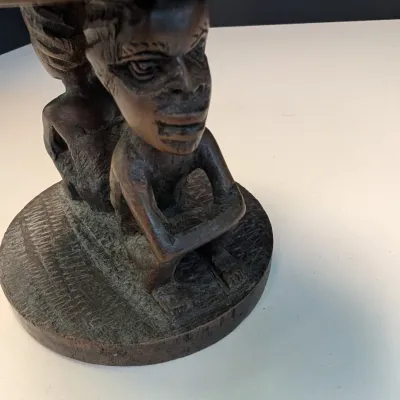
The lid does have some damage 1758 / 5007 -
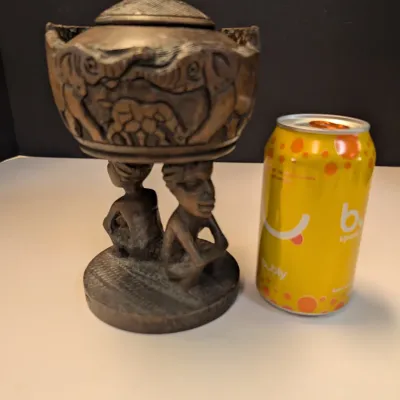
The lid does have some damage 1759 / 5007 -
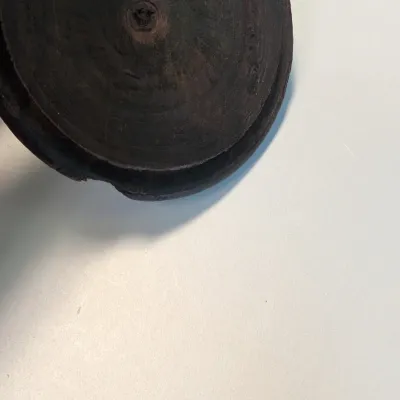
The lid does have some damage 1760 / 5007 -
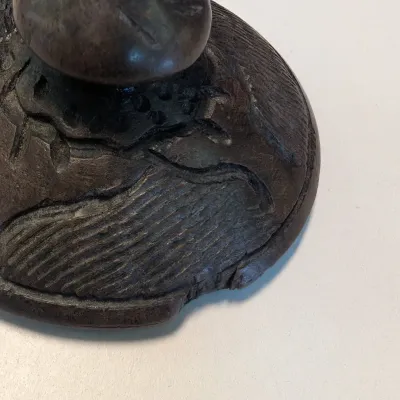
The lid does have some damage 1761 / 5007 -
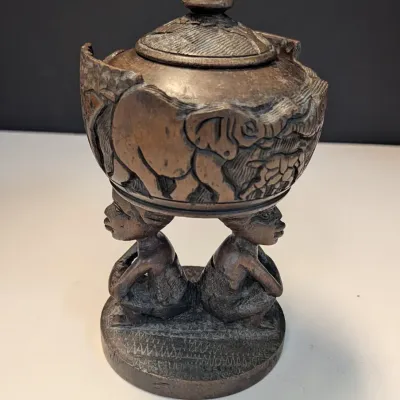
The lid does have some damage 1762 / 5007 -
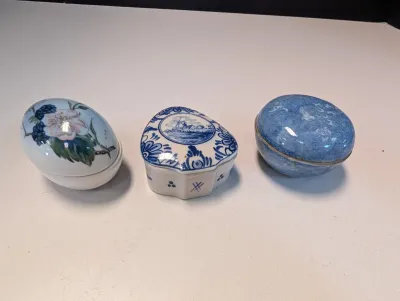
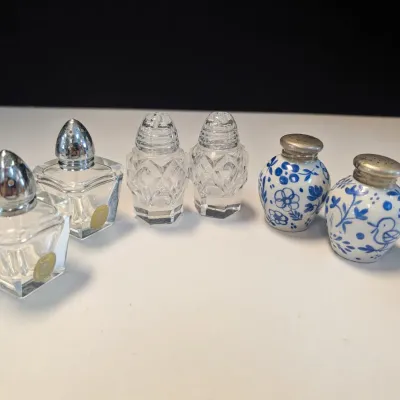
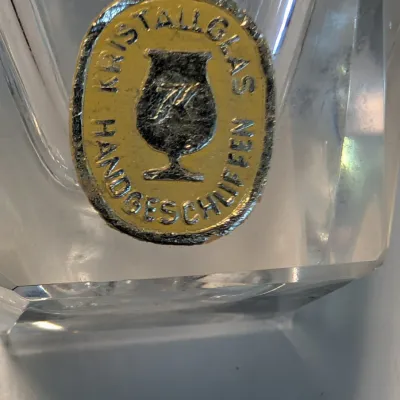
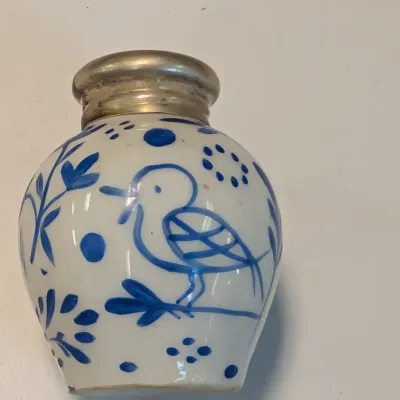
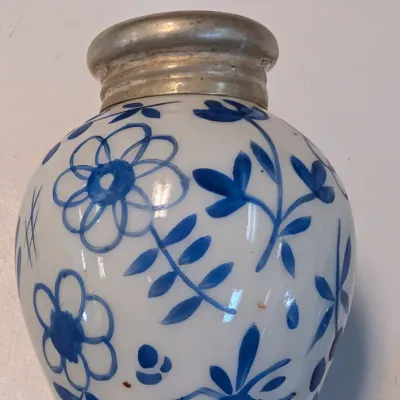
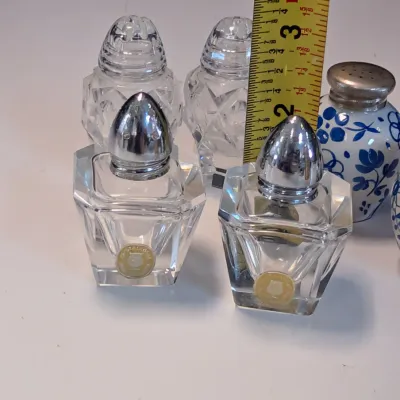
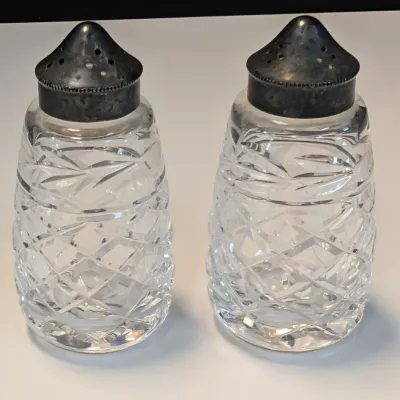
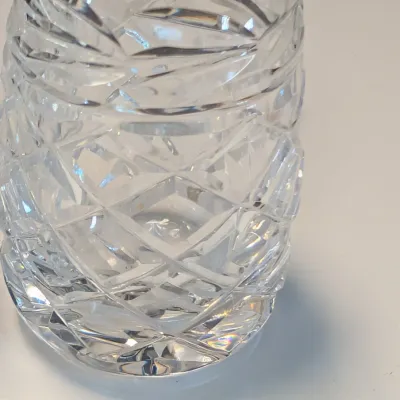
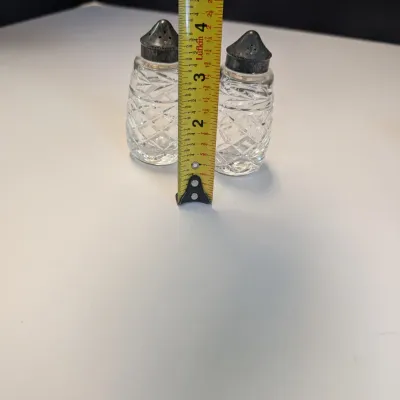
Kristallglas Handgeschliffen translates from German to "hand-cut crystal glass." This terminology typically refers to vintage, high-quality mid-century tabletop items produced in Germany or West Germany. Meissen blue porcelain shakers are premier collectible tableware items prized for their historic hand-painted artistry. Originating from Germany's famous Porcelain Manufactory Meissen, these authentic luxury pieces prominently feature underglaze cobalt blue work, traditionally anchored by their historic "Blue Onion" pattern 1763 / 5007 -
Kristallglas Handgeschliffen translates from German to "hand-cut crystal glass." This terminology typically refers to vintage, high-quality mid-century tabletop items produced in Germany or West Germany. Meissen blue porcelain shakers are premier collectible tableware items prized for their historic hand-painted artistry. Originating from Germany's famous Porcelain Manufactory Meissen, these authentic luxury pieces prominently feature underglaze cobalt blue work, traditionally anchored by their historic "Blue Onion" pattern 1764 / 5007 -
Kristallglas Handgeschliffen translates from German to "hand-cut crystal glass." This terminology typically refers to vintage, high-quality mid-century tabletop items produced in Germany or West Germany. Meissen blue porcelain shakers are premier collectible tableware items prized for their historic hand-painted artistry. Originating from Germany's famous Porcelain Manufactory Meissen, these authentic luxury pieces prominently feature underglaze cobalt blue work, traditionally anchored by their historic "Blue Onion" pattern 1765 / 5007 -
Kristallglas Handgeschliffen translates from German to "hand-cut crystal glass." This terminology typically refers to vintage, high-quality mid-century tabletop items produced in Germany or West Germany. Meissen blue porcelain shakers are premier collectible tableware items prized for their historic hand-painted artistry. Originating from Germany's famous Porcelain Manufactory Meissen, these authentic luxury pieces prominently feature underglaze cobalt blue work, traditionally anchored by their historic "Blue Onion" pattern 1766 / 5007 -
Kristallglas Handgeschliffen translates from German to "hand-cut crystal glass." This terminology typically refers to vintage, high-quality mid-century tabletop items produced in Germany or West Germany. Meissen blue porcelain shakers are premier collectible tableware items prized for their historic hand-painted artistry. Originating from Germany's famous Porcelain Manufactory Meissen, these authentic luxury pieces prominently feature underglaze cobalt blue work, traditionally anchored by their historic "Blue Onion" pattern 1767 / 5007 -
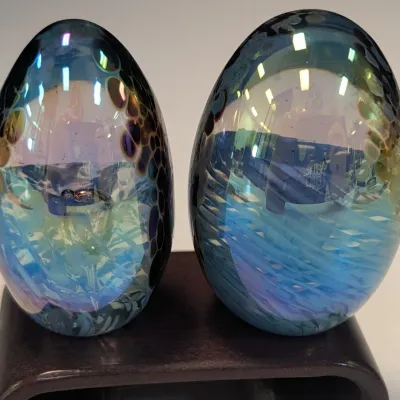
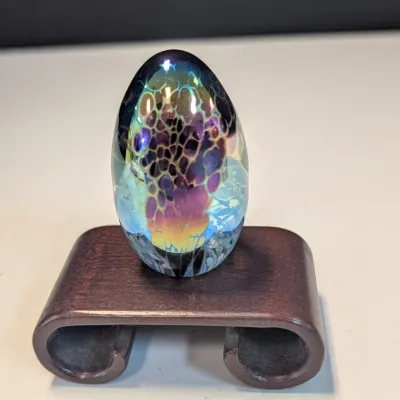
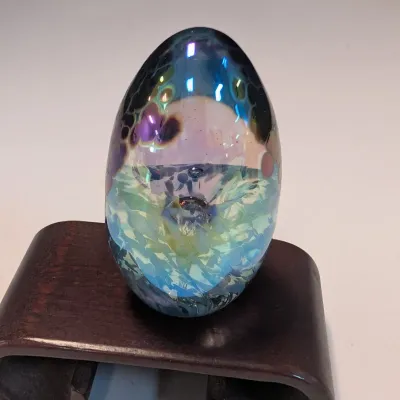
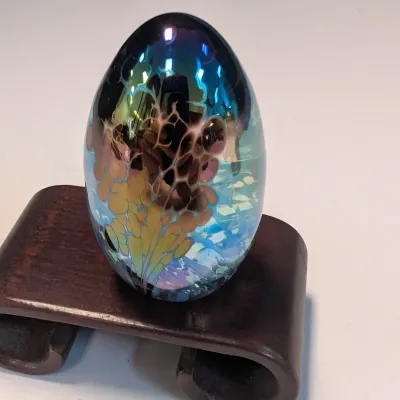
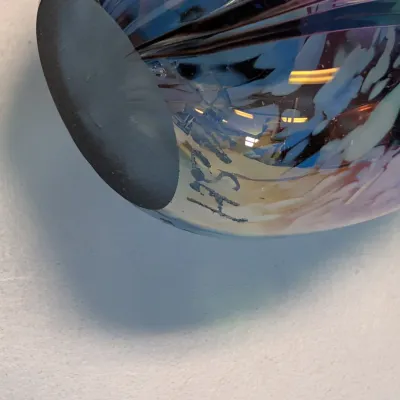
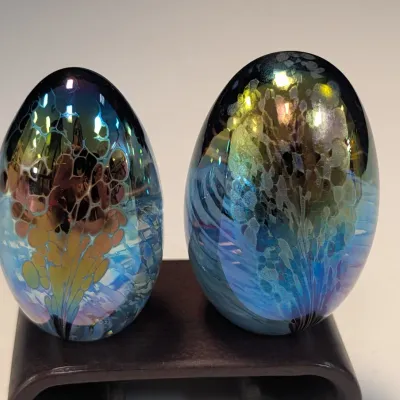
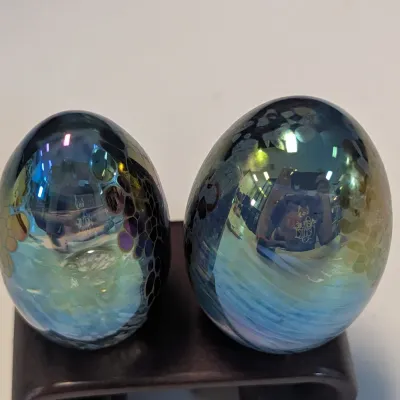
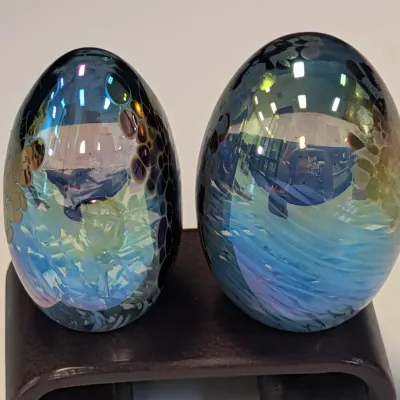
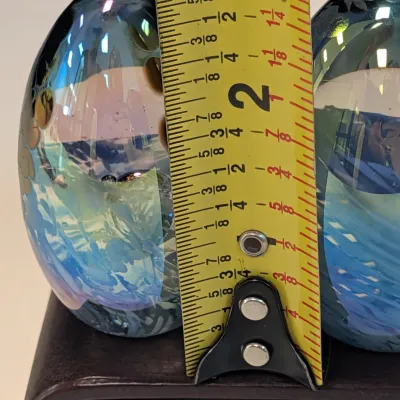
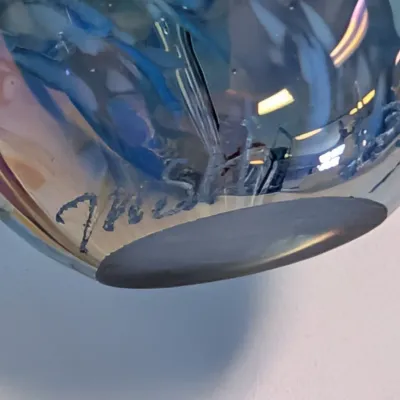
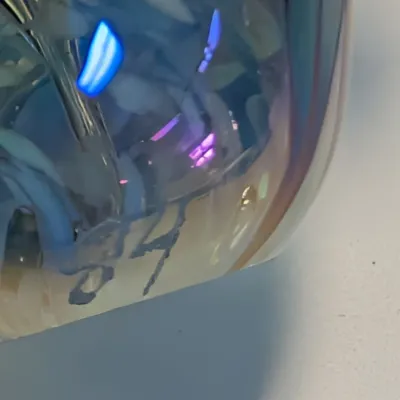
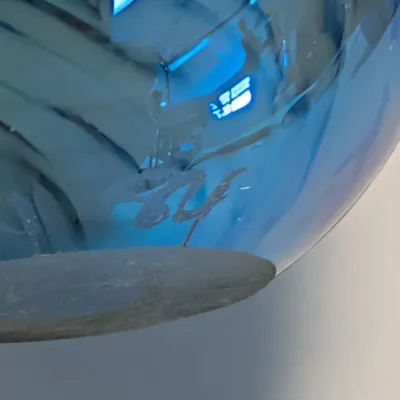
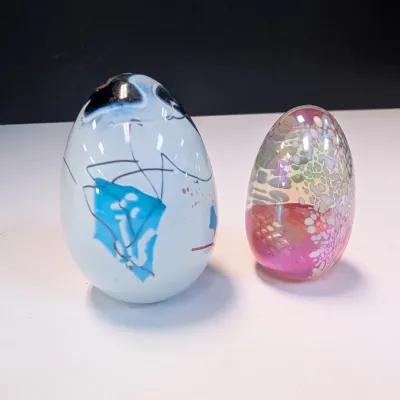
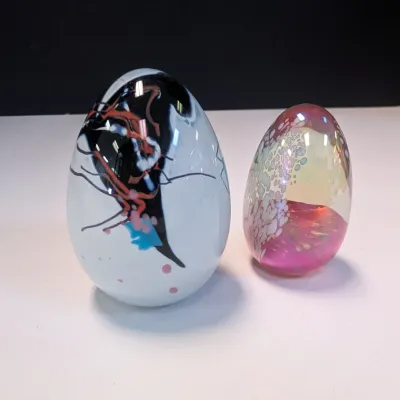
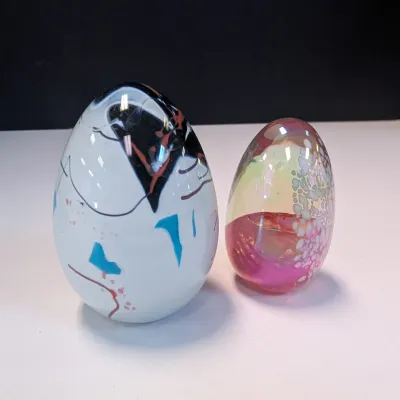
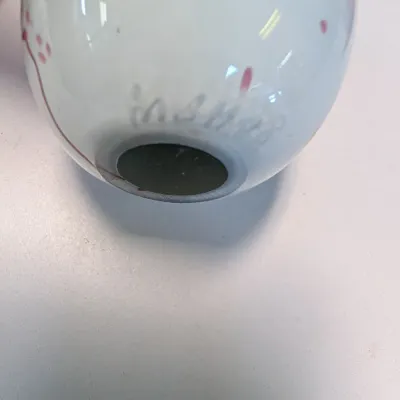
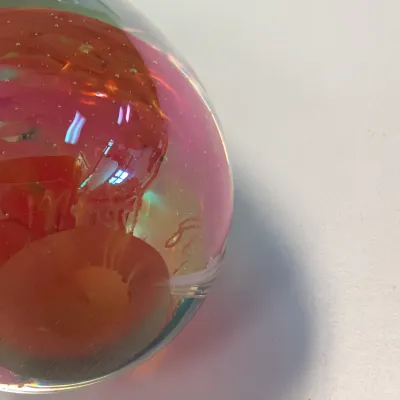
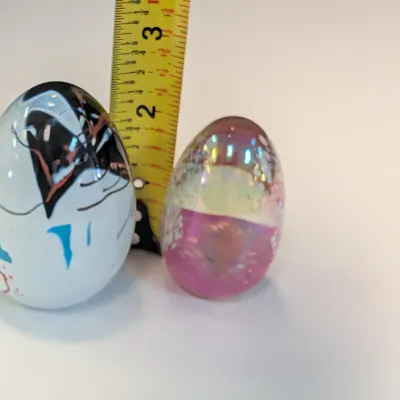
The "MSH" signature on vintage iridescent egg-shaped paperweights stands for Mount St. Helens Ash. Following the monumental 1980 volcanic eruption, Pacific Northwest glass studios began melting the mineral-rich volcanic ash into their glass batches. This unique additive naturally reacted to give the hand-blown glass a brilliant, metallic iridescent luster or "oil slick" rainbow finish. 1773 / 5007 -
The "MSH" signature on vintage iridescent egg-shaped paperweights stands for Mount St. Helens Ash. Following the monumental 1980 volcanic eruption, Pacific Northwest glass studios began melting the mineral-rich volcanic ash into their glass batches. This unique additive naturally reacted to give the hand-blown glass a brilliant, metallic iridescent luster or "oil slick" rainbow finish. 1774 / 5007 -
The "MSH" signature on vintage iridescent egg-shaped paperweights stands for Mount St. Helens Ash. Following the monumental 1980 volcanic eruption, Pacific Northwest glass studios began melting the mineral-rich volcanic ash into their glass batches. This unique additive naturally reacted to give the hand-blown glass a brilliant, metallic iridescent luster or "oil slick" rainbow finish. 1775 / 5007 -
The "MSH" signature on vintage iridescent egg-shaped paperweights stands for Mount St. Helens Ash. Following the monumental 1980 volcanic eruption, Pacific Northwest glass studios began melting the mineral-rich volcanic ash into their glass batches. This unique additive naturally reacted to give the hand-blown glass a brilliant, metallic iridescent luster or "oil slick" rainbow finish. 1776 / 5007 -
The "MSH" signature on vintage iridescent egg-shaped paperweights stands for Mount St. Helens Ash. Following the monumental 1980 volcanic eruption, Pacific Northwest glass studios began melting the mineral-rich volcanic ash into their glass batches. This unique additive naturally reacted to give the hand-blown glass a brilliant, metallic iridescent luster or "oil slick" rainbow finish. 1777 / 5007 -
The "MSH" signature on vintage iridescent egg-shaped paperweights stands for Mount St. Helens Ash. Following the monumental 1980 volcanic eruption, Pacific Northwest glass studios began melting the mineral-rich volcanic ash into their glass batches. This unique additive naturally reacted to give the hand-blown glass a brilliant, metallic iridescent luster or "oil slick" rainbow finish. 1778 / 5007 -
The "MSH" signature on vintage iridescent egg-shaped paperweights stands for Mount St. Helens Ash. Following the monumental 1980 volcanic eruption, Pacific Northwest glass studios began melting the mineral-rich volcanic ash into their glass batches. This unique additive naturally reacted to give the hand-blown glass a brilliant, metallic iridescent luster or "oil slick" rainbow finish. 1779 / 5007 -
The "MSH" signature on vintage iridescent egg-shaped paperweights stands for Mount St. Helens Ash. Following the monumental 1980 volcanic eruption, Pacific Northwest glass studios began melting the mineral-rich volcanic ash into their glass batches. This unique additive naturally reacted to give the hand-blown glass a brilliant, metallic iridescent luster or "oil slick" rainbow finish. 1780 / 5007 -
The "MSH" signature on vintage iridescent egg-shaped paperweights stands for Mount St. Helens Ash. Following the monumental 1980 volcanic eruption, Pacific Northwest glass studios began melting the mineral-rich volcanic ash into their glass batches. This unique additive naturally reacted to give the hand-blown glass a brilliant, metallic iridescent luster or "oil slick" rainbow finish. 1781 / 5007 -
The "MSH" signature on vintage iridescent egg-shaped paperweights stands for Mount St. Helens Ash. Following the monumental 1980 volcanic eruption, Pacific Northwest glass studios began melting the mineral-rich volcanic ash into their glass batches. This unique additive naturally reacted to give the hand-blown glass a brilliant, metallic iridescent luster or "oil slick" rainbow finish. 1782 / 5007 -
The "MSH" signature on vintage iridescent egg-shaped paperweights stands for Mount St. Helens Ash. Following the monumental 1980 volcanic eruption, Pacific Northwest glass studios began melting the mineral-rich volcanic ash into their glass batches. This unique additive naturally reacted to give the hand-blown glass a brilliant, metallic iridescent luster or "oil slick" rainbow finish. 1783 / 5007 -
The "MSH" signature on vintage iridescent egg-shaped paperweights stands for Mount St. Helens Ash. Following the monumental 1980 volcanic eruption, Pacific Northwest glass studios began melting the mineral-rich volcanic ash into their glass batches. This unique additive naturally reacted to give the hand-blown glass a brilliant, metallic iridescent luster or "oil slick" rainbow finish. 1784 / 5007 -
The "MSH" signature on vintage iridescent egg-shaped paperweights stands for Mount St. Helens Ash. Following the monumental 1980 volcanic eruption, Pacific Northwest glass studios began melting the mineral-rich volcanic ash into their glass batches. This unique additive naturally reacted to give the hand-blown glass a brilliant, metallic iridescent luster or "oil slick" rainbow finish. 1785 / 5007 -
The "MSH" signature on vintage iridescent egg-shaped paperweights stands for Mount St. Helens Ash. Following the monumental 1980 volcanic eruption, Pacific Northwest glass studios began melting the mineral-rich volcanic ash into their glass batches. This unique additive naturally reacted to give the hand-blown glass a brilliant, metallic iridescent luster or "oil slick" rainbow finish. 1786 / 5007 -
The "MSH" signature on vintage iridescent egg-shaped paperweights stands for Mount St. Helens Ash. Following the monumental 1980 volcanic eruption, Pacific Northwest glass studios began melting the mineral-rich volcanic ash into their glass batches. This unique additive naturally reacted to give the hand-blown glass a brilliant, metallic iridescent luster or "oil slick" rainbow finish. 1787 / 5007 -
The "MSH" signature on vintage iridescent egg-shaped paperweights stands for Mount St. Helens Ash. Following the monumental 1980 volcanic eruption, Pacific Northwest glass studios began melting the mineral-rich volcanic ash into their glass batches. This unique additive naturally reacted to give the hand-blown glass a brilliant, metallic iridescent luster or "oil slick" rainbow finish. 1788 / 5007 -
The "MSH" signature on vintage iridescent egg-shaped paperweights stands for Mount St. Helens Ash. Following the monumental 1980 volcanic eruption, Pacific Northwest glass studios began melting the mineral-rich volcanic ash into their glass batches. This unique additive naturally reacted to give the hand-blown glass a brilliant, metallic iridescent luster or "oil slick" rainbow finish. 1789 / 5007 -
The "MSH" signature on vintage iridescent egg-shaped paperweights stands for Mount St. Helens Ash. Following the monumental 1980 volcanic eruption, Pacific Northwest glass studios began melting the mineral-rich volcanic ash into their glass batches. This unique additive naturally reacted to give the hand-blown glass a brilliant, metallic iridescent luster or "oil slick" rainbow finish. 1790 / 5007 -
The blue & whited Trinket box has been repaired 1799 / 5007 -
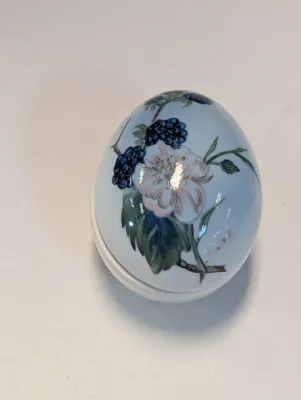
The blue & whited Trinket box has been repaired 1800 / 5007
Photos 1701 - 1800 of 5007
Per page: