-
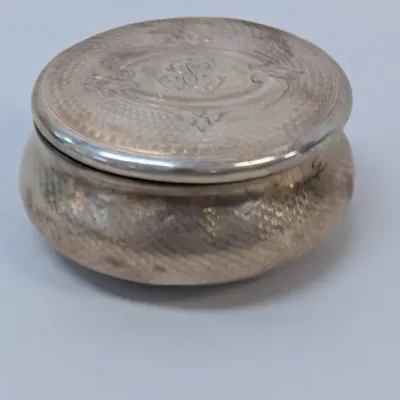
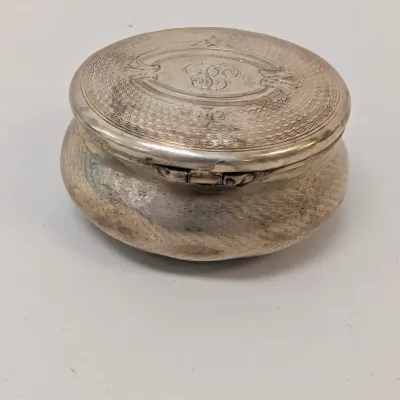
An Antique Victorian Sterling Silver Trinket Box is a highly collectible vanity item from the era of Queen Victoria's reign (1837–1901). These boxes were historically used on lady's dressing tables to hold rings, hairpins, or small keepsakes. They are celebrated for their romantic motifs and high-relief repoussé metalwork—a technique where design is hammered from the reverse side to create a raised, sculptural design 9 / 5007 -
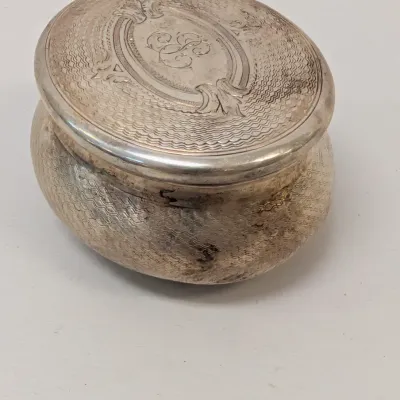
An Antique Victorian Sterling Silver Trinket Box is a highly collectible vanity item from the era of Queen Victoria's reign (1837–1901). These boxes were historically used on lady's dressing tables to hold rings, hairpins, or small keepsakes. They are celebrated for their romantic motifs and high-relief repoussé metalwork—a technique where design is hammered from the reverse side to create a raised, sculptural design 10 / 5007 -
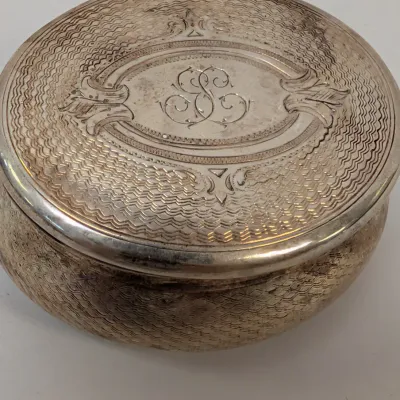
An Antique Victorian Sterling Silver Trinket Box is a highly collectible vanity item from the era of Queen Victoria's reign (1837–1901). These boxes were historically used on lady's dressing tables to hold rings, hairpins, or small keepsakes. They are celebrated for their romantic motifs and high-relief repoussé metalwork—a technique where design is hammered from the reverse side to create a raised, sculptural design 11 / 5007 -
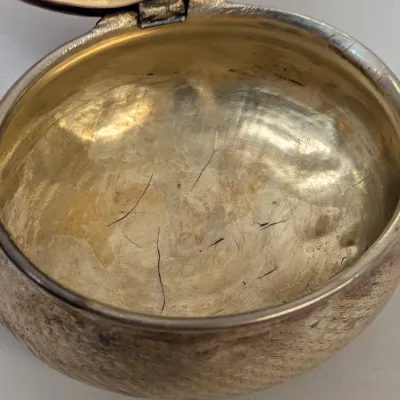
An Antique Victorian Sterling Silver Trinket Box is a highly collectible vanity item from the era of Queen Victoria's reign (1837–1901). These boxes were historically used on lady's dressing tables to hold rings, hairpins, or small keepsakes. They are celebrated for their romantic motifs and high-relief repoussé metalwork—a technique where design is hammered from the reverse side to create a raised, sculptural design 12 / 5007 -
An Antique Victorian Sterling Silver Trinket Box is a highly collectible vanity item from the era of Queen Victoria's reign (1837–1901). These boxes were historically used on lady's dressing tables to hold rings, hairpins, or small keepsakes. They are celebrated for their romantic motifs and high-relief repoussé metalwork—a technique where design is hammered from the reverse side to create a raised, sculptural design 13 / 5007 -
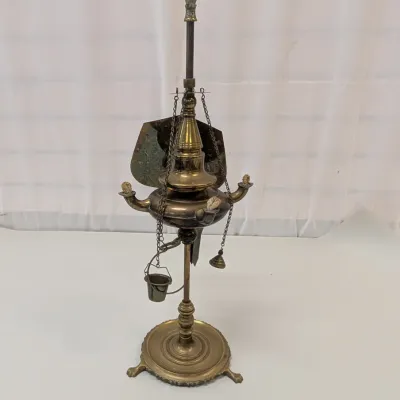
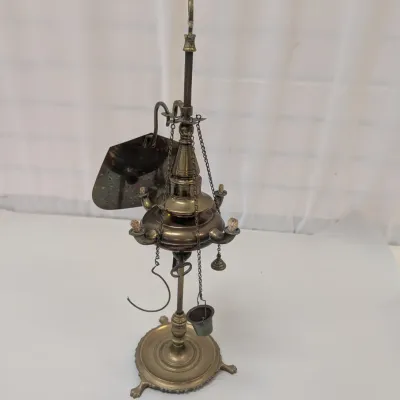
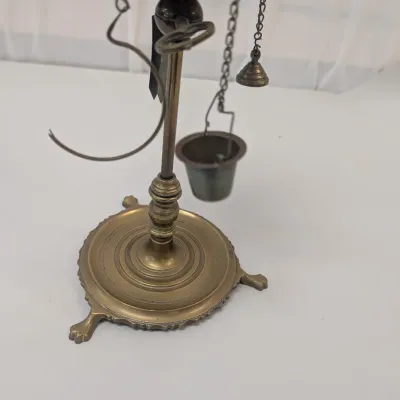
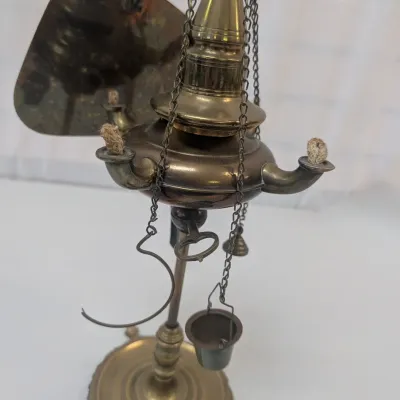
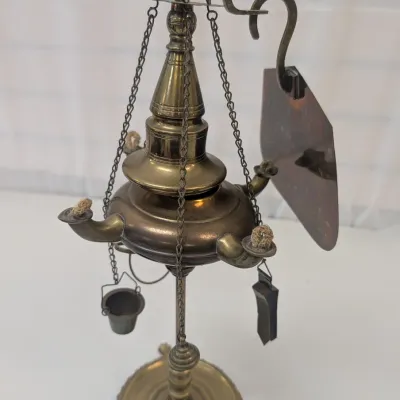
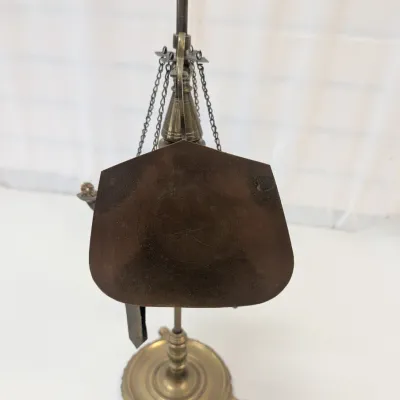
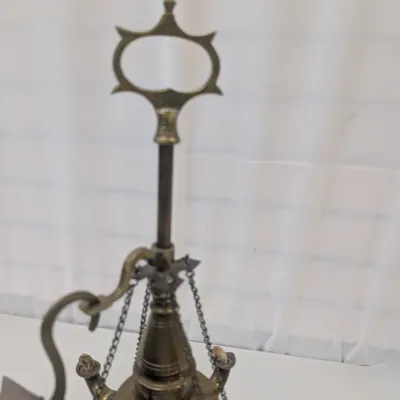
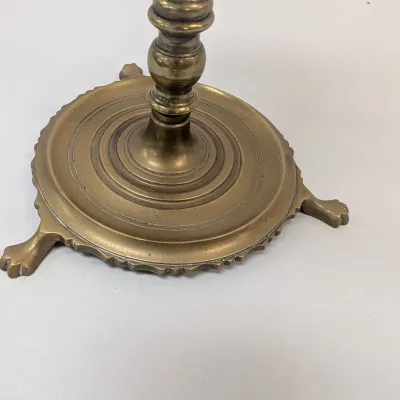
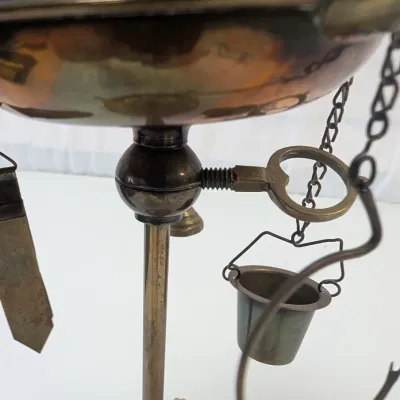
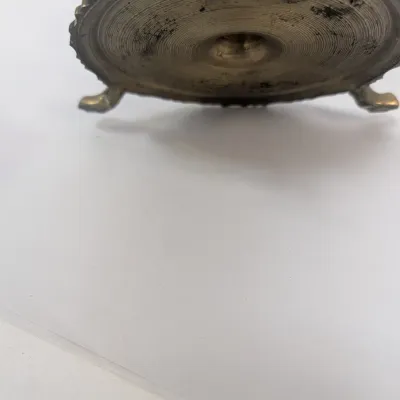
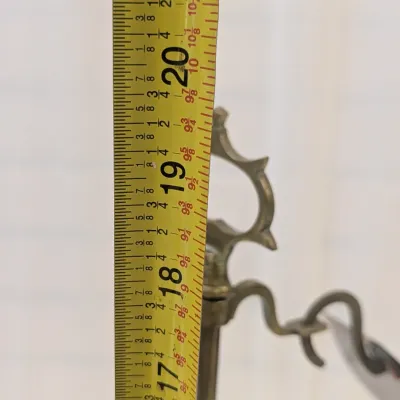
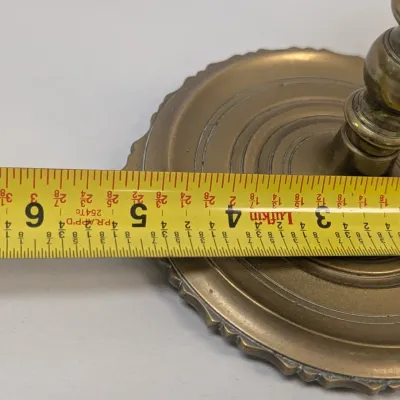
An Early 19th Century Brass Lucerne Oil Lamp (often called a "Florentine" lamp in Italy) is a classic European lighting device. Popular throughout the Mediterranean, these lamps were designed to burn whale oil or olive oil. They served as both portable and tabletop light sources before electricity and kerosene became common 14 / 5007 -
An Early 19th Century Brass Lucerne Oil Lamp (often called a "Florentine" lamp in Italy) is a classic European lighting device. Popular throughout the Mediterranean, these lamps were designed to burn whale oil or olive oil. They served as both portable and tabletop light sources before electricity and kerosene became common 15 / 5007 -
An Early 19th Century Brass Lucerne Oil Lamp (often called a "Florentine" lamp in Italy) is a classic European lighting device. Popular throughout the Mediterranean, these lamps were designed to burn whale oil or olive oil. They served as both portable and tabletop light sources before electricity and kerosene became common 16 / 5007 -
An Early 19th Century Brass Lucerne Oil Lamp (often called a "Florentine" lamp in Italy) is a classic European lighting device. Popular throughout the Mediterranean, these lamps were designed to burn whale oil or olive oil. They served as both portable and tabletop light sources before electricity and kerosene became common 17 / 5007 -
An Early 19th Century Brass Lucerne Oil Lamp (often called a "Florentine" lamp in Italy) is a classic European lighting device. Popular throughout the Mediterranean, these lamps were designed to burn whale oil or olive oil. They served as both portable and tabletop light sources before electricity and kerosene became common 18 / 5007 -
An Early 19th Century Brass Lucerne Oil Lamp (often called a "Florentine" lamp in Italy) is a classic European lighting device. Popular throughout the Mediterranean, these lamps were designed to burn whale oil or olive oil. They served as both portable and tabletop light sources before electricity and kerosene became common 19 / 5007 -
An Early 19th Century Brass Lucerne Oil Lamp (often called a "Florentine" lamp in Italy) is a classic European lighting device. Popular throughout the Mediterranean, these lamps were designed to burn whale oil or olive oil. They served as both portable and tabletop light sources before electricity and kerosene became common 20 / 5007 -
An Early 19th Century Brass Lucerne Oil Lamp (often called a "Florentine" lamp in Italy) is a classic European lighting device. Popular throughout the Mediterranean, these lamps were designed to burn whale oil or olive oil. They served as both portable and tabletop light sources before electricity and kerosene became common 21 / 5007 -
An Early 19th Century Brass Lucerne Oil Lamp (often called a "Florentine" lamp in Italy) is a classic European lighting device. Popular throughout the Mediterranean, these lamps were designed to burn whale oil or olive oil. They served as both portable and tabletop light sources before electricity and kerosene became common 22 / 5007 -
An Early 19th Century Brass Lucerne Oil Lamp (often called a "Florentine" lamp in Italy) is a classic European lighting device. Popular throughout the Mediterranean, these lamps were designed to burn whale oil or olive oil. They served as both portable and tabletop light sources before electricity and kerosene became common 23 / 5007 -
An Early 19th Century Brass Lucerne Oil Lamp (often called a "Florentine" lamp in Italy) is a classic European lighting device. Popular throughout the Mediterranean, these lamps were designed to burn whale oil or olive oil. They served as both portable and tabletop light sources before electricity and kerosene became common 24 / 5007 -
An Early 19th Century Brass Lucerne Oil Lamp (often called a "Florentine" lamp in Italy) is a classic European lighting device. Popular throughout the Mediterranean, these lamps were designed to burn whale oil or olive oil. They served as both portable and tabletop light sources before electricity and kerosene became common 25 / 5007 -
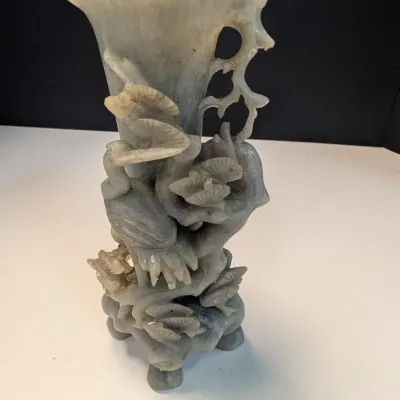
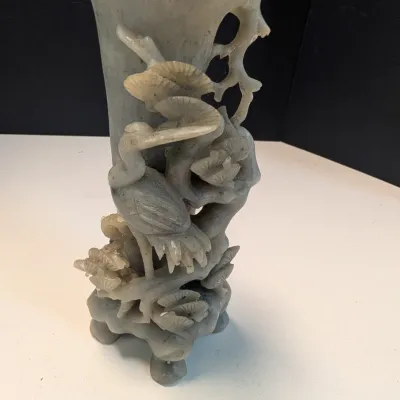
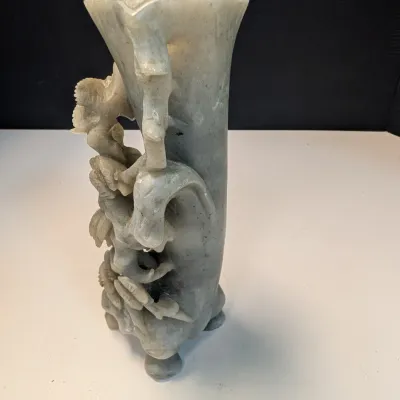
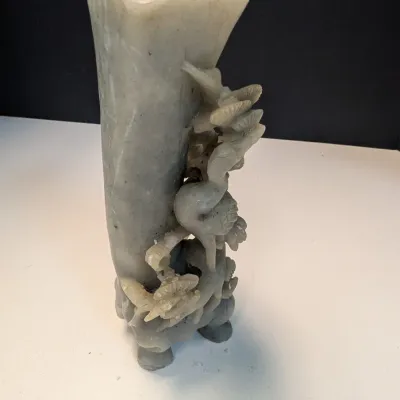
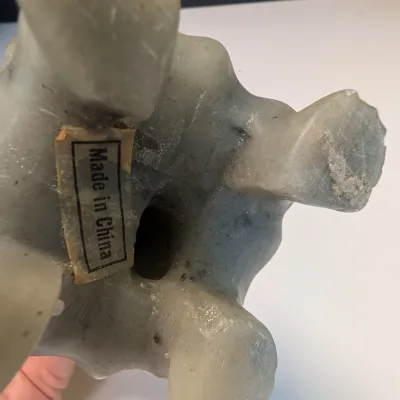
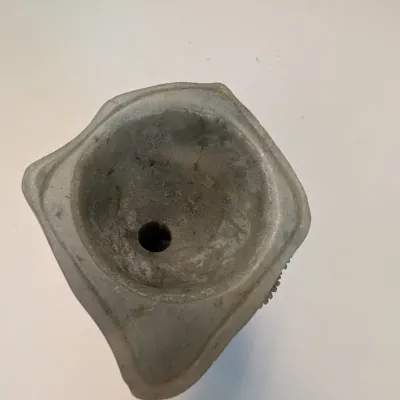
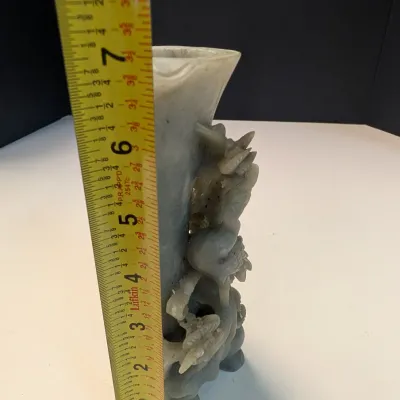
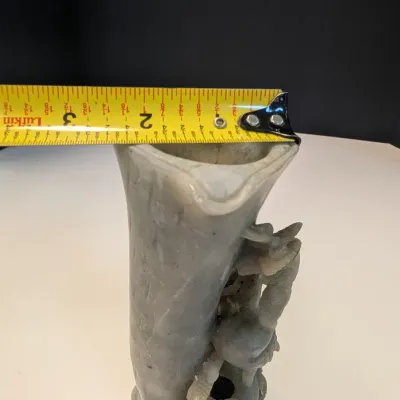
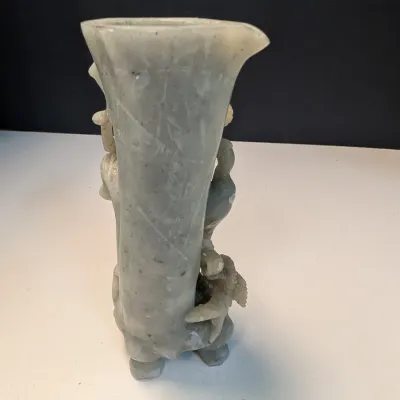
Hand-carved Asian soapstone floral sculptures are highly collectible pieces of art prized for their intricate details and warm, natural stone colors. Soapstone, also known as steatite, is a soft metamorphic rock that allows artisans to carve deeply layered petals, leaves, and openwork designs with incredible precision. These traditional sculptures often double as decorative vessels or scholar's brush pots. They frequently showcase symbolic Chinese motifs like peonies for prosperity or chrysanthemums for longevity. 32 / 5007 -
Hand-carved Asian soapstone floral sculptures are highly collectible pieces of art prized for their intricate details and warm, natural stone colors. Soapstone, also known as steatite, is a soft metamorphic rock that allows artisans to carve deeply layered petals, leaves, and openwork designs with incredible precision. These traditional sculptures often double as decorative vessels or scholar's brush pots. They frequently showcase symbolic Chinese motifs like peonies for prosperity or chrysanthemums for longevity. 33 / 5007 -
Hand-carved Asian soapstone floral sculptures are highly collectible pieces of art prized for their intricate details and warm, natural stone colors. Soapstone, also known as steatite, is a soft metamorphic rock that allows artisans to carve deeply layered petals, leaves, and openwork designs with incredible precision. These traditional sculptures often double as decorative vessels or scholar's brush pots. They frequently showcase symbolic Chinese motifs like peonies for prosperity or chrysanthemums for longevity. 34 / 5007 -
Hand-carved Asian soapstone floral sculptures are highly collectible pieces of art prized for their intricate details and warm, natural stone colors. Soapstone, also known as steatite, is a soft metamorphic rock that allows artisans to carve deeply layered petals, leaves, and openwork designs with incredible precision. These traditional sculptures often double as decorative vessels or scholar's brush pots. They frequently showcase symbolic Chinese motifs like peonies for prosperity or chrysanthemums for longevity. 35 / 5007 -
Hand-carved Asian soapstone floral sculptures are highly collectible pieces of art prized for their intricate details and warm, natural stone colors. Soapstone, also known as steatite, is a soft metamorphic rock that allows artisans to carve deeply layered petals, leaves, and openwork designs with incredible precision. These traditional sculptures often double as decorative vessels or scholar's brush pots. They frequently showcase symbolic Chinese motifs like peonies for prosperity or chrysanthemums for longevity. 36 / 5007 -
Hand-carved Asian soapstone floral sculptures are highly collectible pieces of art prized for their intricate details and warm, natural stone colors. Soapstone, also known as steatite, is a soft metamorphic rock that allows artisans to carve deeply layered petals, leaves, and openwork designs with incredible precision. These traditional sculptures often double as decorative vessels or scholar's brush pots. They frequently showcase symbolic Chinese motifs like peonies for prosperity or chrysanthemums for longevity. 37 / 5007 -
Hand-carved Asian soapstone floral sculptures are highly collectible pieces of art prized for their intricate details and warm, natural stone colors. Soapstone, also known as steatite, is a soft metamorphic rock that allows artisans to carve deeply layered petals, leaves, and openwork designs with incredible precision. These traditional sculptures often double as decorative vessels or scholar's brush pots. They frequently showcase symbolic Chinese motifs like peonies for prosperity or chrysanthemums for longevity. 38 / 5007 -
Hand-carved Asian soapstone floral sculptures are highly collectible pieces of art prized for their intricate details and warm, natural stone colors. Soapstone, also known as steatite, is a soft metamorphic rock that allows artisans to carve deeply layered petals, leaves, and openwork designs with incredible precision. These traditional sculptures often double as decorative vessels or scholar's brush pots. They frequently showcase symbolic Chinese motifs like peonies for prosperity or chrysanthemums for longevity. 39 / 5007 -
Hand-carved Asian soapstone floral sculptures are highly collectible pieces of art prized for their intricate details and warm, natural stone colors. Soapstone, also known as steatite, is a soft metamorphic rock that allows artisans to carve deeply layered petals, leaves, and openwork designs with incredible precision. These traditional sculptures often double as decorative vessels or scholar's brush pots. They frequently showcase symbolic Chinese motifs like peonies for prosperity or chrysanthemums for longevity. 40 / 5007 -
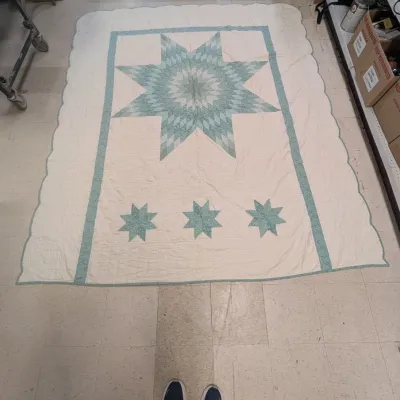
Handmade Green Lone Star Quilt 84 / 5007 -
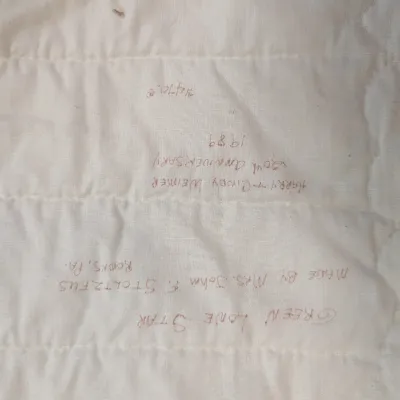
Handmade Green Lone Star Quilt 85 / 5007 -
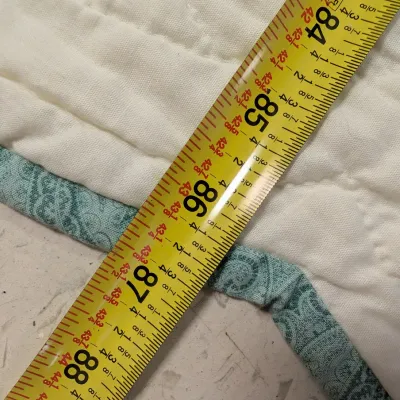
Handmade Green Lone Star Quilt 86 / 5007 -
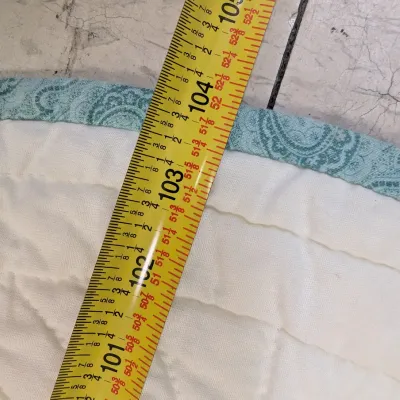
Handmade Green Lone Star Quilt 87 / 5007 -
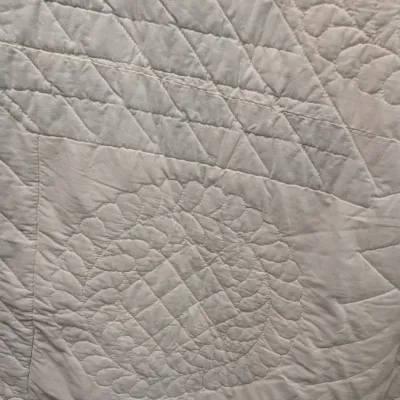
Handmade Green Lone Star Quilt 88 / 5007 -
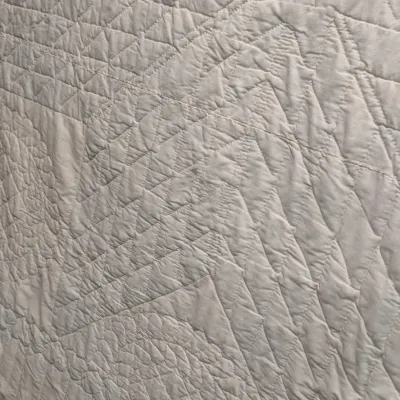
Handmade Green Lone Star Quilt 89 / 5007 -
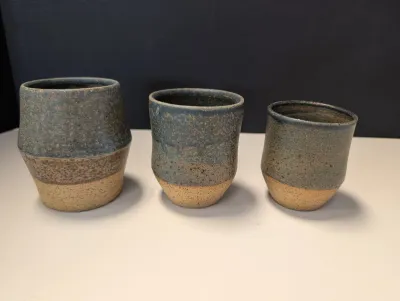
Signed Hand Made Pottery Cups #1 95 / 5007 -
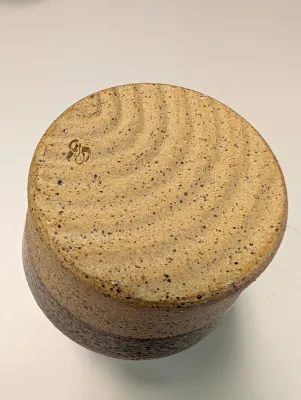
Signed Hand Made Pottery Cups #1 96 / 5007 -
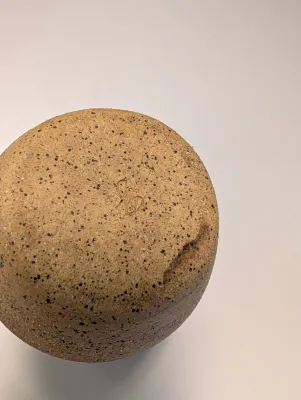
Signed Hand Made Pottery Cups #1 97 / 5007 -
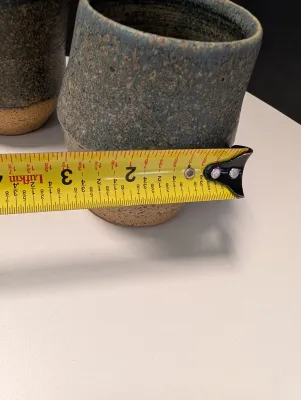
Signed Hand Made Pottery Cups #1 98 / 5007 -
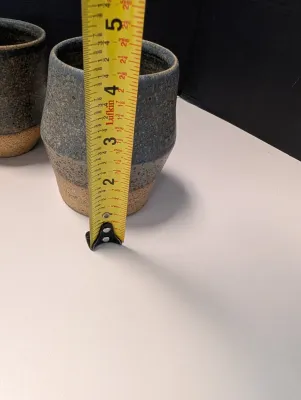
Signed Hand Made Pottery Cups #1 99 / 5007 -
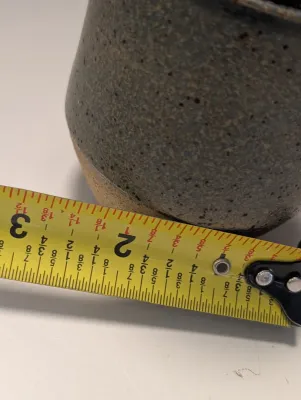
Signed Hand Made Pottery Cups #1 100 / 5007
Photos 1 - 100 of 5007
Per page: